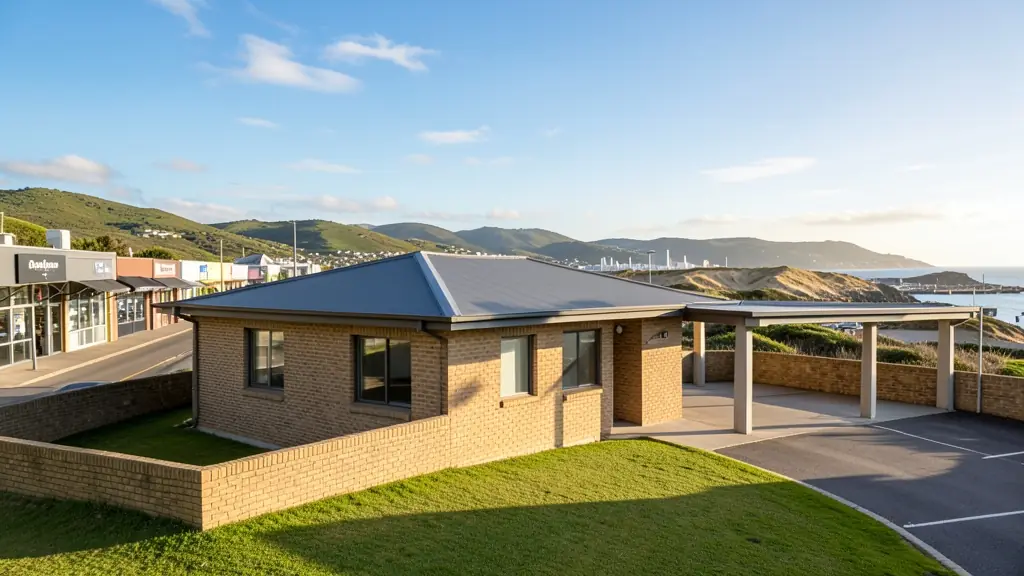
The fastest way to a clear answer on building plan approval in Eastern Cape is a quote from someone who submits plans locally. Send one request and we pass it to draughtspersons and plan submission specialists working in towns and cities across Eastern Cape.
Building Plan Approval in Eastern Cape
Plans for Eastern Cape are approved by the municipality that covers your stand, and its building control office decides what counts as a complete submission. A draughtsperson who submits there regularly knows the forms, the circulation departments and the usual queries across Eastern Cape. Give the erf number so the quote can reflect local rules.
The main building plan approval page explains the drawings, the standards and the costs in more detail.
Eastern Cape notes on plans & approvals
Nelson Mandela Bay and Buffalo City run the two big plan offices, while smaller councils such as King Sabata Dalindyebo, Makana and Dr Beyers Naude handle the interior. Graaff-Reinet and Makhanda have many buildings older than 60 years, so heritage approval may be needed before alterations. Wild Coast stands often fall under traditional authorities, which can add a letter or permission step.
Homes and buildings in Eastern Cape
The Eastern Cape runs from industrial Gqeberha and East London to the Wild Coast and the Karoo. In Gqeberha, Walmer, Summerstrand and Newton Park have a mix of older bungalows and new apartments, while Jeffreys Bay and Port Alfred draw surf and retirement homes shaped by relentless wind. Makhanda, Graaff-Reinet and Cradock hold Victorian and Cape Dutch buildings where heritage rules matter, and Mthatha and the former Transkei rely on rural homesteads, rondavels and block houses built stage by stage. Farmhouses on Karoo sheep farms tend to be single storey with thick walls and tin roofs.
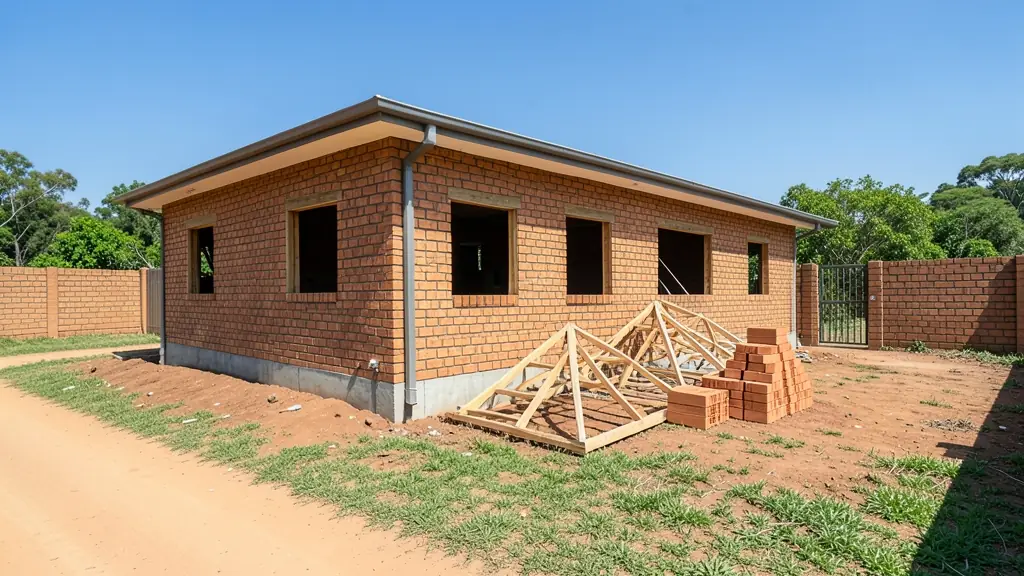
The requests we see from Eastern Cape usually come from:
- Families building a new house: a stamped approval before the first brick, then inspections and an occupation certificate
- Owners adding or changing rooms: approval for additions, with neighbour consent if a building line has to be relaxed
- Farms, smallholdings and rural homesteads: approval for farm buildings and homesteads, checked against the rural zoning and the title deed
- Shops, offices and restaurants: approval for a shop or restaurant fit-out, including fire department comments
- Rental and granny flat investors: approval for a second dwelling or backyard rooms, with the zoning checked before drawing
- Developers and builders: a submission for each house type or cluster, with the town planning steps run first
- Churches, schools and crèches: approval for a hall, church or crèche, with fire and access requirements dealt with
Local tips for Eastern Cape
Plans for Eastern Cape are mostly drawn like this: draughtspersons in Gqeberha and East London, architects in Gqeberha and Makhanda. The requests that come up most: windy coastal houses, heritage-town alterations, student rooms and village homesteads. When you ask for quotes, ask if your building is older than 60 years and so may need heritage comment.
Building Plan Approval usually suits new houses, additions, outbuildings and shops, drawn as drawings prepared and submitted to council. For families building a new house, the biggest group here, that usually means a stamped approval before the first brick, then inspections and an occupation certificate. On the ground: strong coastal wind, salt air and expansive soils in places: engineer for foundations.
What to include in your request
- The erf number, suburb and municipality
- Whether drawings exist already, and who drew them
- Estate or homeowners' association rules
- Any rule you think the design breaks
- Whether you want the follow-up handled for you
Detail saves a wasted site visit. Fill in the brief below and the form adds up the floor area for you.
Service area: Eastern Cape and surrounds
We pass Eastern Cape requests to people based in or regularly working in Gqeberha, East London, Mthatha, Makhanda, Jeffreys Bay, Port Alfred, Graaff-Reinet. Rural stands should give the nearest town and the farm or village name, so site visits are quoted honestly.