
Understanding rendered floor plans
What is a rendered floor plan
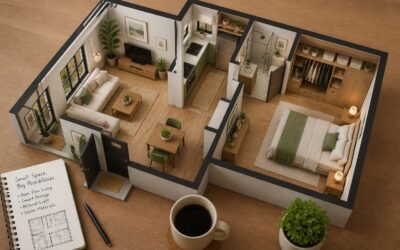
In a crowded South African property market, floor plans rendered can turn a passive listing into a doorway of possibility. As one real estate pro says, “layout sells space.” Floor plans rendered do more than map walls — they narrate how a family might live and move through a home. Buyers imagine themselves there!
Understanding what these visuals convey helps both buyers and builders. Three elements stand out:
- Spatial clarity and proportion
- Clear traffic flow between rooms
- Lighting cues and material hints
In South Africa, these visuals support multilingual listings and investor pitches, making space feel accessible whether a compact urban flat or a generous suburban property. They translate plans into conversations about value and layout efficiency, shaping how communities imagine their next chapter.
Differences between traditional and rendered floor plans
Floor plans rendered invite buyers to walk the space before a single showing. They do more than map walls; they narrate daily life. A rendered plan can show how a kitchen catches morning light or how traffic threads through a corridor. Traditional plans stay clinical; floor plans rendered bring warmth and scale to the page.
Key differences include:
- Color and texture suggest materials and mood
- Lighting cues hint at time of day
- Perspective communicates size and flow
For agents and buyers in SA, floor plans rendered translate plans into conversations about space and value. These visuals bridge urban apartments and suburban homes, helping multilingual listings feel accessible and real.
Key elements of a rendered floor plan
Render-sparked space chatter has arrived in SA—where a single image can skip the drive-by and land in a buyer’s mind with a spark. A sharp line from a local agent: “Render it, and the space starts talking before the first showing.” That is the power of floor plans rendered; they map not just walls but potential daily life.
Key elements that breathe life into a rendered floor plan:
- Color and texture hint at materials and mood
- Lighting cues indicate time of day and mood
- Perspective shows size and traffic flow
- Staging cues and context help buyers imagine furniture and views
Beyond aesthetics, these visuals aid comprehension across languages and markets in SA. They translate architecture into conversation, making multilingual listings feel accessible and real. That’s where these visuals shine, turning blueprints into everyday stories buyers recognise at a glance.
Who benefits from rendered floor plan visuals
A single well-rendered space can outpace a shelf of specs. In SA, visuals do more than decorate a listing—they invite buyers to live the plan before they buy. “Render it, and the space starts talking,” says a local agent. I’ve watched clients lean in, nod, and whisper, yes, this is home! Understanding floor plans rendered helps readers see not just where walls sit, but how daily life might unfold there. That shift from blueprint to bedroom makes multilingual listings feel familiar and real.
Who benefits from these visuals?
- First-time buyers who need to imagine daily routines
- Investors seeking clear traffic flow and potential furniture layouts
- Agents closing deals faster by pre-qualifying interest
Ultimately, these visuals turn architecture into conversation. They translate complex plans into everyday stories readers recognise at a glance.
Types of rendered floor plan visuals
Two dimensional rendered floor plans
A compelling floor plan is the first handshake with a property—nearly 80% of buyers decide within seconds. Two-dimensional rendered visuals deliver crisp scale, clear circulation, and a dash of personality without the fireworks. That’s the quiet influence.
- Monochrome line drawings for a no-nonsense read
- Color-coded zones that map living, sleeping, and service areas
- Furniture or fixture overlays to test layouts without committing to a single sofa
Types? Think clean linework, color-coded zones, and furniture overlays that stay tasteful and practical.
In the South Africa market, you can plaster them on listings, brochures, and social posts—2D renders load fast on mobile and keep your message sharp when data is precious: floor plans rendered help you stand out.
Three dimensional photorealistic floor plans
Three dimensional photorealistic floor plans turn a dull blueprint into a space you can almost walk through—because in a market where buyers decide in seconds, impressions matter. That realism helps buyers feel the place before a showing. Floor plans rendered with convincing lighting, textures, and scale shift the chat from ‘where is the door?’ to ‘how would this feel at daybreak?’ It’s the difference between a plan and a promise.
Key to the approach is believable depth that reads well on mobile screens and big displays, keeping South African listings persuasive even when bandwidth is tight.
- Photoreal lighting and shadows that read depth accurately
- Material textures that mimic real finishes
- Flexible viewpoints for kitchen islands, baths, and corners
- Virtual staging options to test furniture without buying
Together, these attributes elevate perceived value and help buyers picture themselves there—these floor plans rendered set a high bar.
Isometric and exploded view floor plans
Isometric floor plans turn a hallway into a horizon—depth you can read at a glance. When a listing uses floor plans rendered in this view, buyers grasp corridor widths and furniture footprints instantly, perfect for South Africa’s fast-scroll mobile feeds. A kitchen island reads as clearly as a lounge, even on small screens.
Exploded view floor plans pull components apart—walls slide away, doors pop out, utilities unfurl in order. This is storytelling, not just mechanics, helping buyers trace how a home is put together and where to place a sofa or bed.
- Clear spatial relationships
- Easy scale comprehension
- Accessible furniture planning
In markets where a listing must move fast, these visuals elevate perceived craftsmanship and potential, turning floor plans rendered into invitations rather than diagrams.
Mood boards and material renderings for interiors
In South Africa’s fast-scroll property landscape, mood boards and material renderings for interiors reclaim the story behind every plan. The moment a listing flashes floor plans rendered with tactile cues, the imagination follows—laminate, linen, brass—before a single viewing. They turn abstractions into atmosphere, making a hallway feel expansive and a kitchen glow with intent.
Mood boards and material renderings for interiors, paired with floor plans rendered, translate design decisions into something tangible. They fuse color, texture, and light, offering buyers a felt sense of scale and mood.
- Texture and material palettes
- Lighting scenarios
- Finish options and hardware
- Textiles and upholstery coordination
Used strategically, these visuals sharpen decision-making and position a property as crafted and possible—a conversation starter that lingers long after the scroll.
Software and techniques for rendering
Popular modeling tools for floor plan renders
Floor plans ignite faster decisions and shorter timelines. Clients scan layouts in minutes and feel the space come alive! South African studios crave clarity, speed, and realism from every render.
Software choices shape the illusion. The right tools turn floor plans rendered into immersive previews. The team combines parametric modeling, precise lighting, and texture realism to capture scale and mood. Popular engines include Revit, SketchUp, 3ds Max, Blender, and Lumion, paired with V-Ray or Cycles for photo-like finishes.
- Revit
- SketchUp
- 3ds Max with V-Ray
- Blender
Efficient workflows come from a mix of techniques: camera matching, daylight simulation, and material libraries.
The result is clean, scalable visuals that help property teams, architects, and clients move from concept to confident decisions.
Rendering engines and settings for realism
In South Africa’s property scene, a crisp preview can close a deal before the first brick is laid—floor plans rendered with light and texture turning empty space into a living promise. Audiences feel scale, mood, and reach in minutes, not hours.
Within the engine hall, realism is summoned by careful choices: ray tracing, global illumination, and physically based materials conjure depth and sheen.
- Ray tracing for accurate reflections and shadows
- Global illumination and daylight simulations
- Physically based materials with calibrated roughness and metallics
Fine-tuning anti-aliasing, denoising, and exposure keeps renders crisp across screens, from mobile previews to large-format boards. In this way, the visions of space become scalable visuals that guide decisions from concept to commitment.
Efficient workflows from concept to final render
Fresh render time is money, and in our South African studios, a strong software pipeline can turn a concept into a floor plans rendered scene in a single afternoon. A disciplined stack—from modeling and materials to lighting and cameras—lets teams move faster without sacrificing nuance. Proxies, versioned assets, and cloud render queues keep ideas flowing while clients review early on.
Key steps driving this efficiency include:
- Asset management and version control
- Proxy workflows and iterative previews
- Render management and batch queues
- Color management, denoising, and post-processing
Managing textures, lighting, and materials
South Africa’s studios prove speed is sexy: the right software stack can turn a concept into floor plans rendered in a single afternoon. A disciplined pipeline—textures, lighting, materials—lets teams move fast without dulling nuance. Proxies and cloud renders keep ideas flowing while clients peek through early previews.
Within software and technique, key elements stay constant, even when the visuals are anything but boring:
- Textures and maps that stay sharp from overview to close-up
- Lighting environments and material responses that feel natural
- Color management and denoising for a cohesive mood
Ignore the temptation to over-wax; the art is in restraint. When software and technique align, the visuals carry both character and clarity, a rare duet in architectural storytelling.
SEO and marketing strategy for rendered floor plans
Optimizing image assets for search engines
Three-quarters of online shoppers say visuals influence their decision, and floor plans rendered become the lens through which a space begins to breathe. For SEO and marketing, image assets are currency: fast, accessible, and discoverable by search engines as well as people.
Optimizing these assets means more than pretty pictures. Name files thoughtfully, craft alt text that tells a story of rooms and scale, and weave context with captions. In South Africa’s market, this care elevates floor plans rendered for both algorithms and clients.
- Descriptive file names that hint at the scene
- Alt text describing the space, function, and scale
- Captions that reinforce intent with the render
- Fast-loading images and a clear sitemap
The result is more than aesthetics; it’s a marketing instrument that travels beyond the gallery into search rankings, inviting dreamers to step through the door of possibility—America’s Dream reimagined for South Africa’s resilient landscape.
Using render visuals in property listings and portfolios
Visuals close deals. In South Africa’s dynamic property market, floor plans rendered turn a simple listing into a lived-in promise. A recent stat shows listings with render visuals attract up to 60% more inquiries and longer engagement.
We shape visuals into listings and portfolios with a strategy that speaks to both algorithms and buyers. We ensure each render aligns with your brand, appears across portals, and loads fast on mobile—because speed and clarity sell space before a visitor speaks.
- Engagement spikes in listings and portfolios
- Narrative flow that guides buyers through spaces
- Consistency across devices and channels
Across South Africa’s resilient landscape, our approach pairs visuals with purposeful copy, inviting dreamers to step through the door.
Schema markup and structured data for real estate visuals
In South Africa’s dynamic property market, floor plans rendered do more than illustrate space—they shape intent. A razor-sharp SEO and marketing strategy weaves visuals into listings and portfolios, turning curiosity into conversations and prospects into appointments!
Schema markup and structured data convert images into searchable signals. By applying Schema.org types for RealEstate, ImageObject, and Breadcrumbs, you help portals surface rich snippets, while buyers understand the layout before stepping through the door.
- JSON-LD for floor plans with RealEstate schemas
- Alt text and captions to boost accessibility and indexing
- Breadcrumbs and property-level data to lift portal visibility
Used together, these signals accelerate discovery and let your narratives travel farther—without sacrificing clarity.
Social previews and engagement strategies for floor plan images
One stat sticks in South Africa’s crowded market: visuals clinch the decision to book a viewing. A sharp SEO and marketing strategy makes rendered visuals an asset, not an afterthought. floor plans rendered translate curiosity into conversations, guiding buyers from search to shortlist. Schema markup helps portals surface rich snippets, while clear layouts help buyers understand the space before stepping through the door. Social previews set the tone, turning thumbnail impressions into real inquiries.
- Craft captions that highlight layout advantages and usable flow.
- Optimize alt text and file names with South Africa-specific local cues.
- Test thumbnail designs and posting times to boost engagement.
Smart visuals pull the audience through the funnel, from search to schedule!
Production workflow and quality control
Client brief and project scoping
A striking 68% of buyers say visuals sway final decisions, and floor plans rendered are often the deciding spark. In the realm of design, these maps unfold like a mythic charter, guiding rooms to breath and balance. Precision and storytelling walk hand in hand, turning blank spaces into inviting realms.
Begin with a client brief and project scoping to align audience, intent, and constraints. From there, a disciplined production workflow and rigorous quality control ensure consistency across all renders. The steps keep the visuals trustworthy and suitable for South African property portals and brochures:
- Clarify deliverables and timelines
- Define reference standards for textures and lighting
- Set milestones for reviews and approvals
- Export optimized assets for listings
Quality gates include checks on scale, lighting, and texture fidelity. A final pass ensures consistency across render outputs and alignment with local real estate visuals.
Color, lighting, and composition considerations
A disciplined production workflow turns concept into credible space. For floor plans rendered, the journey from brief to final image follows a steady rhythm: concept, blocking, texture tests, lighting passes, and final polish. In South Africa, accuracy is currency!
Color and composition are hidden architects, shaping how I think viewers experience space. Favor daylight textures, calm wall tones, and controlled contrast to reveal circulation. Consistent color management across assets keeps listings trustworthy on SA portals and brochures.
- Scale validation against floor plan data
- Lighting balance for interior depth
- Texture fidelity to materials
A final pass aligns render outputs with local real estate visuals, ensuring consistency across brochures and online listings.
Resolution, file formats, and accessibility
Production workflow and quality control demand discipline, turning a concept into credible visuals with checks at every pass. Resolution, file formats, and accessibility aren’t afterthoughts; they are the scaffolding that keeps listings trustworthy and legible on SA portals.
The aim is floor plans rendered that perform across listings and brochures, crisp on screen and print.
- Resolution targets: 2K, 4K, and vector exports for infinite scalability
- File formats: PNG for web, TIFF for print, SVG/PDF for schematics
- Accessibility: legible typography, high-contrast schemes, and descriptive captions
Revisions, QA, and delivery timelines
Precision sells in a crowded market. In real estate, floor plans rendered with a disciplined workflow become quiet detectives, turning listings into clear narratives that coax inquiries into visits. Revisions, QA, and delivery timelines aren’t afterthoughts; they’re the spine that keeps every render trustworthy from screen to print.
- Revisions: structured feedback loops, version control, and clear sign-offs to keep timelines intact.
- QA: dimensional consistency, typography, contrast, accessibility checks, and asset integrity before delivery.
- Delivery timelines: fixed milestones, built-in buffers, and proactive updates to clients and listings teams.
That disciplined cadence ensures the floor plans rendered stay legible and trustworthy across South Africa’s portals and brochures, every time.
Real world applications and case studies
Residential property renderings for listings
Real-world applications of floor plans rendered unfold across South Africa’s brisk residential market, where a single listing image must tell a story before a viewer dials in. These visuals translate room sizes, circulation, and potential into a lucid map buyers can trust, easing decisions long before a showing.
- Open-plan flow visuals that help buyers gauge living areas at a glance
- Virtual staging and furniture layouts to showcase potential without moving a thing
- Listing previews and agent portfolios that accelerate inquiries and offers
Case studies from Cape Town apartments to Johannesburg homes reveal how accurate floor plans rendered reduce tour fatigue, boost appeal, and strengthen SEO by pairing images with precise alt text and descriptive data.
Commercial space visualizations and planning
In South Africa’s brisk commercial markets, floor plans rendered do more than map space—they map intentions, turning a sterile blueprint into a story that buyers and tenants feel in their bones.
Real-world applications unfold like architecture’s whispers: open-plan flow visuals for offices, virtual staging to illustrate showroom layouts, and spatial planning for multi-tenant campuses.
Case studies from Cape Town’s skylit offices to Johannesburg’s urban retail nodes reveal how these visuals cut revision cycles, sharpen bids, and gift stakeholders a lucid spatial map.
- Optimized foot traffic and safety planning for retail floors
- Clear visuals that communicate layout, service corridors, and adjacency to tenants
- Investor-ready materials that accelerate inquiries and offers
When these images align with precise alt text and contextual data, the SEO signal travels with them—quietly strengthening the listing without shouting.
Renovation and space planning visuals
In SA’s brisk markets, floor plans rendered do more than map space—they map intent, turning blueprints into stories buyers feel in their bones. Renovation visuals let teams rehearse layouts before walls move, while space-planning visuals guide multi-tenant campuses from concept to occupancy.
Case studies span Cape Town’s skylit offices to Johannesburg’s bustling retail nodes, showing how visuals shorten revisions, tighten bids, and give stakeholders a lucid spatial map. Consider these real-world applications:
- Renovation phasing visuals that test corridor widths and daylighting
- Showroom and showroom-adjacent layouts that illustrate shopper flow
- Tenant-adjacency plans that reveal service corridors and safety routing
When visuals align with precise alt text and contextual data, the SEO signal travels quietly, strengthening listings without shouting.
Cost implications and ROI of rendered floor plans
In SA’s brisk markets, floor plans rendered do more than map space—they map intent. Cape Town showroom floors and Johannesburg multi-tenant campuses show visuals guiding shopper flow, daylighting, and service adjacencies. Before walls move, teams rehearse layouts, test corridor widths, and reveal safety routes, turning dry blueprints into stories stakeholders feel in their bones.
Costs are front-loaded but savings arrive quickly. Upfront modeling and lighting drive shorter revision cycles, tighter bids, and faster sign-offs, accelerating occupancy decisions and reducing field surprises.
Consider these cost levers and ROI signals:
- Upfront modeling and lighting
- Faster sign-offs and fewer revisions
- Leasing velocity and tenant mix impact
Case studies from Cape Town to Joburg quietly prove the ROI—less revision noise, cleaner bids, and swifter occupancy maps.

0 Comments