
Living Room Floor Plan Principles
Scale and Proportion in a Living Room
The layout of a living room sets the rhythm of daily life. A tight floor plan can feel rushed, while generous spacing invites talk and ease. “Scale speaks louder than color,” a veteran designer once said, and that truth lands hard in SA homes.
In floor plans living room, scale means the size of each piece relative to the space and to other objects. Proportion keeps everything in balance, so a sofa doesn’t overwhelm a doorway and a lamp doesn’t vanish beside a broad window.
Purposeful balance holds the room together. Consider these anchors:
- Anchor seating around a focal point
- Preserve clear circulation paths
- Ground the layout with a rug that fits the space
Done well, the room breathes—social yet calm, functional yet inviting for life in a South African home.
Traffic Flow and Accessibility
Traffic flow is the unsung hero of a welcoming lounge. In South Africa’s homes, a tight corridor can turn friendly chats into a sprint for the exit. ‘Flow is the quiet conductor of a livable room,’ a veteran designer quips, and that truth lands hard against crowded lamps and furniture jams. The aim: clear sightlines, gentle transitions, and paths that breathe rather than box people in.
Within floor plans living room, accessibility matters as much as aesthetics. Consider how people move from door to sofa, from TV to coffee table, without stepping on ankles or rug seams. A neatly measured rug can anchor zones and keep circulation honest.
- Clear sightlines
- Unobstructed pathways
- Accessible switches and controls
Focal Points and Symmetry
“A room without a focal point is a chorus without a solo,” a veteran designer likes to say. In floor plans living room, you map conversations and sightlines like a diplomat at a braai—deliberate, warm, and a touch witty.
Focal points anchor seating and sightlines alike; place the sofa where conversations face the chosen center. Symmetry, when done well, echoes through two club chairs and a balanced coffee table, while careless clutter distracts from the quiet drama of a well-composed room.
- Fireplace or hearth as a natural center
- Major artwork or feature wall to draw the gaze
- Window view and seating alignment to frame the view
- Balanced media console and seating pairs for steady rhythm
These anchors ensure floor plans living room achieve elegance without rigidity, inviting conversation rather than crowding the doorway.
Zoning Seating, Media, and Storage
Strong conversations start with clear zones. In South Africa, 68% of homeowners say their living rooms feel more welcoming when seating is clearly defined. In floor plans living room, zoning becomes a practical dialogue between people and space, turning a generic lounge into a stage for everyday life.
Zoning seating means creating micro-climates for chat, tea, and television without crowding the doorway. Position the sofa to face the chosen center and flank it with two chairs to foster eye contact. Consider a subtle rug boundary to anchor groups.
- Defined conversation zones
- Opposing seating for eye contact
- Aisle-friendly paths
Media and storage should recede from the limelight while supporting use. Place the TV or art wall where it’s visible yet not dominant; store games, cables, and magazines in cabinets that tuck neatly under coffee tables.
Layout Styles for Living Room Plans
Open Concept vs Defined Rooms
Open layouts grab attention and keep spaces breathable. A design voice in SA notes that room behavior matters more than walls: “Space is a behavior you design.” When considering floor plans living room, the tension between open concept and defined rooms defines daily life as much as furniture does.
Open concept offers expansive light and social flow, while defined rooms deliver privacy and acoustic control. The decision isn’t merely stylistic—it’s about how the home interfaces with everyday activity.
- Open concept: expansive light and flexible zones
- Defined rooms: privacy, noise control, and function clarity
In the South African context, partial dividers and built-ins carve zones without sacrificing openness, letting air move and space remain practical. The balance reflects broader social choices: transparency, accountability, and shared space.
Corner and Window Nook Layouts
“Space is a behavior you design,” a succinct SA design voice insists, and it lands harder than a splash of sun on a terrazzo floor. When you map floor plans living room, corner and window nook layouts become the plot twists of daily life.
Corner layouts pull seats into a natural circle, nudging conversation without shouting for attention. Window nooks bathe viewers in daylight, offering a snug perch that doubles as a reading alcove while keeping the main room’s bustle intact—perfect for Cape sunshine and Pretoria glare alike.
Consider these quiet virtues:
- Daylight zoning that doesn’t steal prime views
- Built-ins that soften edges without closing the room
- Acoustic tips that preserve privacy without interior walls
In a nation that values hospitality, corner and window nook layouts hint at transparency with respect, while preserving function.
U-Shaped, L-Shaped, and Parallel Arrangements
In South Africa, a well-spoken floor plan is a social contract: it tells people where to stand, where to lean, and where to pause for coffee. “Flow is everything,” as a designer once quipped, and a plan that listens to daylight earns its keep.
For living rooms, U-shaped, L-shaped, and parallel arrangements are plot twists that keep conversations lush without shouting across the room. In floor plans living room, these shapes map how people navigate, where eyes rest, and how a single perch doubles as a reading corner or a host-friendly gathering spot.
- U-shaped creates a natural circle that invites talk without crowding the center
- L-shaped defines a cozy nook while preserving open sightlines
- Parallel layouts extend flow and frame views along a shared axis
With soft edges and careful zoning, the space feels generous yet intimate—a balance many SA homes crave, and a clever plan delivers without shouting.
Small Space Optimizations
Flow is the quiet architect, a phrase I carry into every SA living room project. In tight footprints, a space that breathes feels almost magical—like light and air answering a whispered invitation rather than a rigid blueprint.
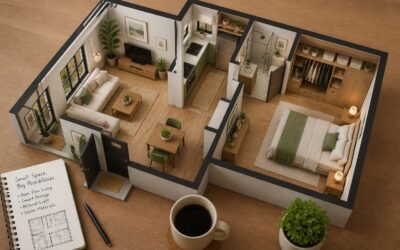
Layout styles for small spaces celebrate clever myths of furniture: modular clusters, floating pieces, and dual-purpose surfaces that become stages for daily life. When we design floor plans living room for compact South African homes, we map sightlines, keep corners clear, and let daylight choreograph conversations.
- Modular seating that rearranges by mood
- Slimline storage with hidden compartments
- Multifunction surfaces that double as seating or work zones
These tiny evolutions give rooms lift without shouting; elegance arrives in restraint.
Openings and Door Placement
A doorway is a punctuation mark in the living room’s sentence, and when openings align with daylight, this floor plans living room concept begins to breathe. In South African homes, door placement becomes a theatre of perception, where a single swing can reveal or cloak the day’s rhythm. Thresholds are not rigid borders but invitations to a space that gathers light and quiet conversations, a microcosm of how we inhabit rooms with intention.
- Sightlines that honor focal points while reducing visual clutter across the room
- Door offsets and swing logic that preserve daylight corridors and regulate traffic without abrupt interruptions
- Open boundaries that balance sociability with personal retreat, so moments of quiet feel earned
Openings become breathing points rather than barriers—an attitude that recognises the warmth of SA sun and the way rooms remember us as we move through them.
Measuring and Planning for Accurate Floor Plans
Measuring Methods for Accurate Data
One centimetre off can ripple through a living room project. For floor plans living room, precision matters. In South Africa, accurate data sets the stage for furniture that fits, doors that swing freely, and outlets where you actually need them.
Measurement methods for accurate data rely on a handful of trusted tools. They capture dimensions cleanly, reduce guesswork, and support consistent results across crews.
- Laser distance meters for fast, precise lengths
- Flexible tape measures for irregular corners and nooks
- Repeat checks from multiple vantage points to confirm figures
With the numbers in hand, translate them into a practical plan—mark window recesses, door swings, and furniture zones. I’ve seen how a solid data set prevents surprises and keeps approvals moving. Clear sketches make the project feel confident.
Standard Clearance Distances
In the living room, precision is the loom on which comfort is woven. For floor plans living room accuracy translates into furniture that fits, doors that swing freely, and outlets that appear where needed. Across South Africa, clean data turns space into possibility.
- Laser distance meters for fast, precise lengths
- Flexible tape measures for irregular corners and nooks
- Repeat checks from multiple vantage points to confirm figures
With the numbers in hand, the plan unfolds—window recesses become poetry in space, door swings reveal their choreography, and furniture zones settle into rhythm. Standard clearance distances guide movement, sightlines, and electrical layouts, helping approvals move smoothly.
Tools: Measuring Tapes, Apps, and Laser Measures
“Measure twice, plan once.” Precision in spacing saves weeks, and that discipline pays off in every room across South Africa.
- Measuring tapes for quick checks at doorways and alcoves
- Apps to sketch, store, and share layouts
- Laser measures for long runs and tight angles
Choosing the right tools matters. A combo of tape, app, and laser gives a clean data trail for floor plans living room, turning rough sketches into workable plans with clear scales and markups.
- Establish fixed reference points from corners
- Measure each wall length and doorway opening
- Verify figures from multiple vantage points
With the numbers captured, space plans emerge with confidence and clarity.
Drafting Your Initial Sketch
That first line can shave weeks off a project, and in South Africa’s diverse homes it pays off across the floor plans living room. A sharp initial sketch sets the rhythm—the space begins to breathe with lines that hint at light, flow, and scale.
Drafting the initial sketch should feel like charting a treasure route through corners and alcoves. Start with a rough silhouette that suggests paths of movement, focal points, and zones for seating and conversation.
- Capture the living room’s dominant sightlines and entry points
- Block spaces into zones for seating, circulation, and storage
- Note any architectural quirks that affect scale
From there, translate the sketch into a scalable plan with notes on how pieces will fit—so the floor plans living room become a confident, adaptable stage for daily life and entertaining.
Room Shapes and Their Impact on Design
Rectangular Spaces: Maximizing Flow
Rectangular spaces aren’t just walls; they’re arteries for daily life, shaping how families move and guests are greeted. The right rectangle unlocks flow that feels natural rather than forced. As one designer puts it, “Flow sells spaces!” With floor plans living room, a rectangle becomes a stage for clear sightlines and comfortable conversation!
Rectangular spaces nudge the eye toward deliberate flow. They reward thoughtful furniture massing, generous yet unobtrusive traffic paths, and the alignment of daylight with seating zones.
Square Rooms: Balance and Proportions
Square rooms are the architectural version of a well-tailored blazer—balanced, predictable, and somehow more confident for it. In floor plans living room layouts, balance isn’t negotiable; it’s the spine that keeps daily life from tipping over. When geometry is even, sightlines stay crisp, conversations flow, and daylight scatters with equal enthusiasm across every seating zone. In South Africa’s bright climate, a square room rewards thoughtful massing and a rug that anchors the center without yelling.
Room shapes like this rely on a single, strong focal point—art, a fireplace, or a bold coffee-table moment—that draws the eye and keeps it moving with purpose. Pair with seating scaled to the room’s square rhythm, and let windows frame views so the inside feels connected to the outside. The result is a calm, versatile stage that suits everything from family gatherings in Johannesburg to weekend braais in the Western Cape.
Irregular and Sloped Ceilings: Challenges and Fixes
Sloped ceilings are the high-heeled shoes of architecture—dramatic, a tad impractical, and the quickest way to give a room character. In South Africa, irregular ceiling lines can actually boost daylight play in your floor plans living room. The trick is to let the ceiling do the talking while the furniture finishes the sentence.
These ceilings disrupt predictability, creating zones where sightlines stumble and conversations flirt with echoes. They also complicate lighting and acoustics, turning simple chats into a balancing act. Fixes are straightforward and surprisingly elegant: define zones with low-profile furniture; draw the eye upward with slim vertical elements; anchor seating with a rug that reads as the room’s center, even under a dramatic skylight.
- Strategic lighting layers to balance height differences
- Built-ins that hug the slope to tame massing
- Rugs that anchor seating and guide sightlines
- Ceiling treatments that unify planes into a cohesive rhythm
The result is a room that feels designed, not squeezed—breathing from dawn to braai!
Public vs Private Zones in Irregular Plans
Irregular room shapes aren’t defects; they reveal how a family actually moves through space. In floor plans living room, the public front should welcome visitors, while a private pocket tucked along an angled wall invites rest and conversation away from the bustle. South Africa’s generous daylight makes this balance easier to read. The trick is to let the geometry guide circulation, so sightlines carve zones without barriers.
Use furniture as boundaries—low-set seating, a console, or a slim bookcase can demarcate dialogue areas without closing the room. A rug can tug the space into a center, and lighting can lift the ceiling’s drama while softening the edges. The result is a room that breathes with daylight and conversation, not a rigid grid!
Practical Visualization and Implementation
Digital 2D and 3D Floor Plan Tools
A bold truth: you don’t design a room with your eyes alone—you design it with your movements. Practical visualization turns floor plans living room into a living prototype, where light, sightlines, and seating breathe in real time, long before a nail is driven!
Digital 2D and 3D floor plan tools offer concrete ways to test ideas. They map walls, doors, and windows, drop sofas and tables, and compare layouts in moments ahead of any build.
- 2D footprints for precise measurement
- 3D walkthroughs that reveal scale and mood
- VR previews to test depth and reach in your space
For SA teams and clients, these tools translate design talk into visible reality, smoothing approvals and ensuring the room’s character survives the move from plan to presence!
Furniture Sizing and Scale References
Scale is not whispered; it’s declared in every floor plans living room. A telling stat shows that rooms optimized with precise furniture sizing reduce back-and-forth by half before build begins, a boon for busy SA projects. Practical Visualization lets you test flow as light shifts and seats breathe, long before a nail meets timber. In digital 2D and 3D floor plan views, you see how a couch anchors a conversation, how a coffee table invites contact, and how movement through the space feels in real time.
Implementation and furniture sizing emerge as a craft of measurement. Reference points anchor a plan so mood and function align—not by guesswork, but by scale-rich models that translate to actual rooms. Consider how the sofa length relates to the wall and the clearance around a coffee table. To bring it to life, a simple reference list helps:
- Sofa length aligned with main wall (2.0–2.8 m)
- Chair width in relation to seating (0.75–1.0 m)
- Clearance around central tables (450–600 mm)
With measurements woven into the narrative, the floor plans living room breathes with intention, keeping South African warmth as daylight moves through the space.
Mood Boards and Material Palettes
A telling stat claws awake the room: when mood boards align with floor plans living room, sign-off velocity doubles and surprises vanish before the first nail is driven. Practical Visualization lets you test flow as daylight shifts and seats breathe, long before timber meets timber. In digital 2D and 3D views, the space reveals how a sofa anchors conversation and how movement threads through a scene with quiet, nocturnal clarity.
A mood-board kit can echo the room’s future pulse.
- Natural materials and textures that echo South African landscapes
- Warm, tactile textiles to soften edges and invite lingering
- A restrained color chorus for daylight drama
- Hardware and finishes that endure the sun’s changing moods
Implementation follows the story: the palette is not a painting left on a wall but a living contract—from finishes to fabrics to fittings—so the floor plans living room breathes with intentional warmth as daylight dwells and departs.
Staging and Lighting Plans
Morning light fractures the surface of floor plans living room, and suddenly the space begins to tell its story. Practical Visualization blends precise 2D sketches with immersive 3D walkthroughs, letting you test flow as daylight shifts and furniture breathes. In these digital rehearsals, a sofa anchors conversation and a corridor of movement threads the scene with quiet, nocturnal clarity.
Implementation and Lighting Plans rise from the page as staging becomes choreography. Zones bloom and retreat with the sun; the lamps sculpt atmosphere, narrowing or expanding focus without harsh glare. The South African climate invites a layered approach—natural daylight, warm ambient, and focused task light—controlled to respond to mood and habit.
- Daylight-aware spacing
- Layered lighting: ambient, task, accent
- Adaptive controls for sun shifts
Ultimately, this is a living contract—finishes, fabrics, and fittings bending to daylight’s mood so the floor plans living room breathe as daylight dwells and departs. The space remains grounded in place, with textures and tones that echo the landscape and invite lingering, year after year.

0 Comments