
Understanding Floor Plan Design in British Columbia
What is a floor plan and why it matters in BC
A sharp floor plan can feel like a well-tuned conversation between space and life. In British Columbia, daylight shapes how rooms relate, and a thoughtfully designed layout can shave minutes from daily routines. A floor plan is more than rooms on paper; it’s movement, sightlines, and the quiet kinship between spaces, where flow guides every choice in floor plans bc.
Here, climate, topography, and lifestyle influence what works. Smart BC designs embrace flexible social zones, daylight harvesting, and accessible corridors that age with you. For South African readers, the emphasis on light, ventilation, and adaptable spaces often resonates beyond borders. Key elements guiding floor plans include:
- Proximate light and ventilation
- Clear traffic flow and adaptable spaces
- Storage efficiency without clutter
- Accessibility and future-proofing
In British Columbia, space and light meet in thoughtful planning.
Key elements of a BC floor plan (rooms, circulation, dimensions)
Light is the quiet master of space in British Columbia, shaping how rooms breathe and people move. Some studies suggest daylight‑aware layouts reduce energy use and lift everyday efficiency. Understanding floor plan design means listening to light, sightlines, and the subtle rhythm between walls. In BC, that translates to spaces that invite conversation and quiet moments alike—a architecture of intention rather than chance. floor plans bc.
- Rooms: purposeful zoning and flexibility to adapt as needs change
- Circulation: clear, well-defined paths that guide people while maximizing daylight and views
- Dimensions: precise measurements that prevent clutter and ensure furniture fits without friction
For readers in South Africa, the emphasis on light, ventilation, and adaptable spaces often resonates beyond borders. The BC approach becomes a mirror—space as intention, not constraint.
How to read a floor plan: symbols and notation
Understanding floor plan design in British Columbia starts with language, not lines. A scale bar, legend, and North arrow translate drawings into space. When you read floor plans bc, you’re decoding how daylight flows, where sightlines terminate, and how spaces relate without guesswork.
Key symbols guide interpretation. I look for door swings, window marks, and the overall wall language to understand function.
- Door swing arcs show how a room actually moves and where a piece of furniture fits.
- Window symbols indicate light and ventilation opportunities.
- Scale and North arrow anchor measurements to real dimensions.
- Legend clarifies abbreviations for rooms or features.
These cues help distinguish gathering spaces from retreats.
Across borders, the focus on daylight and ventilation still lands with South African readers. The same symbols become a practical language for flexible layouts, cross-ventilation, and daylight paths that respect both privacy and sociability. That’s the quiet politics of thoughtful design!
Common sizes and standards used by BC builders
Inside floor plans bc, the size and rhythm of a home begin long before builders lay the first beam. A respected BC architect once insisted that a plan is more than lines—it’s daylight’s highway through rooms and the scale that reveals how a space actually feels. South African readers share the same obsession with flow and ventilation, a cross-continental thread that proves thoughtful design travels well across oceans.
BC builders lean on a consistent metric language to translate concepts into usable space. Look for ceilings that hover around 2.4 to 2.7 meters in living zones, interior doors near 0.76 to 0.86 meters, and hallways about 1 meter wide. These figures anchor floor plans bc to real living, ensuring daylight paths and comfortable circulation.
- Ceiling heights commonly 2.4 m to 2.7 m in habitable spaces
- Interior door widths around 0.76 m to 0.86 m
- Exterior door widths near 0.9 m
- Hallway widths typically 1.0 m or wider
- Stair widths around 0.9 m
These standards help translate a blueprint into a breathable home, where daylight meets privacy and everyday life flows with intention.
BC Building Codes and Regulations Shaping Floor Plans
BC Building Code essentials for residential floor plans
The BC Building Code is more than a rulebook; it is the breath between brick and light, guiding every turn of a floor plan. A Vancouver architect once whispered that ‘the plan is the first room you live in,’ and that truth travels beyond borders to South Africa’s sunlit homes as well, shaping expectations about space and flow.
Residential floor plans are steered by egress, fire separation, moisture control, and energy targets woven into the BC Building Code. Rooms meet the need for daylight, kitchens align with practical work zones, and hallways ensure movement without choking the air. These essentials govern access, sizing, and the rhythm of spaces.
These principles translate beautifully into floor plans bc, where ambition meets discipline, producing homes that breathe, age gracefully, and invite careful pondering. For South Africa readers, the elegance remains universal: good plan, good life.
Accessibility requirements in BC floor plans
Access is the hinge on which a home turns. In BC, accessibility requirements in floor plans bc act like a compass, guiding entry, circulation, and safety with quiet authority. A Vancouver designer notes, “Every plan is the first room a resident inhabits,” and here that idea becomes a commitment to usability for every life stage!
Accessibility provisions shape layouts with thresholds, door widths, and turning spaces that BC codes expect, turning mission into geometry. Consider these elements—the most visible expressions of accessibility in practice:
- Zero-step entry with level thresholds
- Clearances for turning and maneuvering
- Reachable controls, switches, and storage
- Non-slip surfaces and moisture-aware transitions
South African readers will recognize the universal aim: spaces that adapt with dignity, ensuring daylight, movement, and safety travel together through time and family life.
Energy efficiency and sustainability considerations
Floor plans bc shape more than rooms; they map energy, daylight, and comfort. The BC Building Code’s energy provisions tighten envelopes and guide mechanical layouts, so the plan itself becomes a performance document. “Efficiency isn’t a feature; it’s the backbone,” a Vancouver designer notes.
Designers respond with layouts that manage heat, solar gain, and ventilation without wasting space. Elements you’ll see reflected in floor plans bc include the following:
- Continuous insulation tightens the envelope and reduces drafts
- Smart glazing with high performance for daylight and heat control
- Ventilation that recovers heat and powers efficient lighting
Energy focus ties to lifecycle costs and materials—an approach readers in South Africa recognise as universal.
Permitting and approval process for floor plan changes in BC
A city’s pulse shows in permits. The average BC project stalls when plans clash with the code, turning paperwork into a silent architect. floor plans bc become more than sketches; they are the living contract.
BC Building Codes and Regulations shape floor plans bc, dictating envelope tightness, egress, and safety. The permitting and approval process for floor plan changes in BC begins with a submission, followed by plan review, revisions, and final authorization.
- Preliminary submission to the municipal office or delegated authority
- Technical review for code compliance
- Revision cycle addressing feedback
- Final permit issuance
In this choreography, designers anticipate regulatory rhythm, and clients glimpse how approvals shape timelines and budgets—an echo that travels to South Africa and beyond.
Popular Floor Plan Styles for BC Homes
Ranch and open-concept layouts in BC
BC living is rewriting the rulebook—nearly 60% of new homes favor single-story comfort and seamless spaces. In the realm of floor plans bc, that tension between openness and intimacy creates a narrative you can feel, with light stitching through every room and a quiet sense of arrival at the heart of the home.
Ranch styles in BC emphasize practical flow: everything on one level, with private zones tucked beyond entertaining spaces. These layouts suit South Africa’s varied climates when adapted for warmth and shade.
- Single-story accessibility that reduces stairs and energy loss
- Quiet private wings for bedrooms and baths
- Wide porches or patios connected to living areas
Open-concept BC designs fuse kitchen, dining, and living into one bright, adaptable space. They invite flexible furniture and spontaneous gatherings, a rhythm well-suited to diverse lifestyles. For South Africa readers, these layouts offer cross-ventilated interiors and generous sightlines.
Two-story family layouts common in BC suburbs
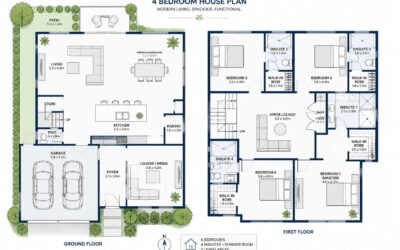
Two-story family layouts dominate BC suburbs, weaving everyday bustle with quiet retreats. In the world of floor plans bc, the upper level becomes a personal sanctuary while the ground floor welcomes kids, guests, and friends with fluid sightlines.
Common configurations include:
- Ground-floor family hub: open kitchen, dining, and living areas for natural gathering flows
- Central stair as a design anchor, with clear vertical transitions
- Private wings upstairs: bedrooms and baths tucked from daily activity
- Flexible spaces—home office, playroom, or gym that adapt as needs evolve
For South Africa readers, benefits translate into cross-ventilation strategies and shaded courtyards that temper climate extremes, while preserving the BC aesthetic of light and connection.
Condos and townhomes: maximizing square footage
In BC’s dense suburbs, every inch is a quiet negotiation with light and possibility—68% of buyers say maximizing square footage is the decisive edge in floor plans bc.
I walk the floor plan lines and watch the promise unfold: open-plan cores fuse kitchen, dining, and living into one fluid stage, while mezzanines lift vertical volume without widening the footprint. I love how modular, flexible spaces invite a home office, a guest nook, or a hushed retreat as needs shift.
- Open-plan cores that maximize sightlines and gathering
- Mezzanine lofts to gain usable square footage
- Flexible spaces that morph from home office to guest room
For South Africa readers, these silhouettes translate into cross-ventilation strategies and shaded courtyards that temper climate extremes, while preserving the BC aesthetic of light and connection—floor plans bc.
Passive house and modern eco-friendly layouts
In BC, 68% of buyers say energy efficiency shapes their choice of home plans, and floor plans bc translate that conviction into an architecture of light and warmth. Passive House discipline creates a climate-smart envelope, where daylight travels through broad glazing and the seams stay tight. The result is a calm, expansive feel that respects a modest footprint and the region’s generous sky.
Key silhouettes embrace sustainability without sacrificing flow:
- Passive House-ready envelopes with airtight seams, thick insulation, and heat-recovery ventilation
- Modern eco-friendly layouts with solar-ready roofs, low-bridging thermal paths, and efficient heat pumps
- Daylight-forward cores that maximize sightlines and offer flexible space for work, gatherings, or quiet retreat
For South Africa readers, these silhouettes translate into cross-ventilation strategies and shaded courtyards that temper climate extremes, while preserving the BC aesthetic of light and connection—floor plans bc.
Hiring and Working with BC Floor Plan Designers
Finding licensed designers in BC
Across BC, licensed designers turn bold sketches into building-ready floor plans bc, shortening approvals and trimming surprises. A recent industry note reports a 72% decrease in rework when professionals shape the layout, a figure that speaks to the value of expert collaboration for readers in South Africa eyeing cross-border projects.
Hiring with BC in mind means validating credentials, reviewing climate-aware portfolios, and choosing communicators who articulate intent in plain language. A licensed designer in BC will know local regulations and translate them into practical plans that suit coastal or courtyard sites.
- Licensing and credentials verified
- Portfolio featuring BC projects and climate considerations
- Clear communication and revision policies
- Transparent timelines and fee structure
Pairing a BC specialist with a South African perspective shows how floor plans bc can bridge continents—bright, efficient, and ready for the next chapter.
What to expect in initial consultations
That first consultation is where intent meets map, and the room feels the future take shape. In this moment, specialists translate coastal breezes and courtyard light into a working language your project can ride. With floor plans bc, dialogue turns into practical sketches you can review together!
Expect a rhythm of listening, question-asking, and quick sketches that reveal how your site responds to light, traffic, and flow. The designer frames options in plain language, so you see the trade-offs clearly and can picture walls, doors, and circulation before a pen ever meets paper.
For South African readers partnering with BC professionals, that early clarity travels across oceans—reducing surprises and ensuring every line speaks your intent. The result is a collaborative start you can trust, a shared roadmap that makes floor plans bc feel inevitable, not tentative.
Budgeting and scope for BC floor plans
A tight budget is the compass you clutch when every room wants to speak. In South Africa, roughly 60% of home renovations drift past their budget before a single wall is drawn—a sobering reminder that scope is king. With floor plans bc, budgeting becomes transparent, and a shared language surfaces between client and designer. Clarity at the outset turns a sprawling dream into a workable sketch that respects both budget and taste.
- Defined deliverables and milestones
- Transparent pricing with clear change-order rules
- Phase-based approvals to curb scope creep
Hiring BC floor plan designers means pinning down budgeting and scope before a pencil touches the page. A simple, honest framework prevents surprises and keeps the project moving, from concept to considered detail. You’ll value frank conversations about allowances, contingencies, and what constitutes a finished product.
Reviewing revisions and finalizing plans
Across South Africa, roughly 60% of home renovations drift past budget before a single wall is drawn! Hiring BC floor plan designers is the moment a space begins to listen. In floor plans bc, vague dreams sharpen into a shared vision where budget and taste breathe as one. The draft becomes both map and invitation.
Reviewing revisions is the heartbeat of the process. Each change clarifies circulation, sightlines, and the feel of light. A clean feedback loop keeps conversations constructive, turning shifting ideas into a coherent, buildable plan.
To balance vision and reality, consider these non-prescriptive touchpoints:
- Feedback clarity and response timing
- Version control and records of changes
- Final deliverables aligned with agreed scope
Finalizing plans involves sign-offs, permits, and a careful handover that preserves intention while meeting local codes. In South Africa, this ceremony anchors the project, and floor plans bc guide the journey from dream to doorway.
0 Comments