
Understanding Simple Floor Plans
Definition and Features of Simple Floor Plans
Simple floor plans hold a certain allure—an unpretentious clarity that makes them incredibly appealing in the world of architecture and home design. At their core, these layouts strip away unnecessary complexity, focusing instead on essential spatial relationships that foster both comfort and functionality. The beauty of simple floor plans lies in their straightforwardness; they provide a clear visual guide that’s easy to interpret, making them ideal for first-time homeowners or those seeking a hassle-free renovation.
Features of simple floor plans include open-concept living spaces, minimal corridors, and a logical flow between rooms. They often emphasize practicality, with a focus on maximizing space without sacrificing aesthetic appeal. For example, a typical simple floor plan might showcase a combined living and dining area, complemented by a compact yet efficient kitchen. These layouts are designed to be intuitive, fostering a sense of harmony and ease that’s often overlooked in more intricate designs.
Benefits of Using Simple Floor Plans
In a world where homeownership often feels like navigating a labyrinth, simple floor plans are the breath of fresh air everyone needs. They offer a no-nonsense approach to design that maximizes the potential of every square metre, especially in South Africa’s diverse housing market. Think of them as the minimalist’s secret weapon—stripping away clutter and focusing on what truly matters: comfort, flow, and practicality.
One of the biggest benefits of using simple floor plans is their ability to foster a seamless living experience. With fewer corridors and a logical room arrangement, these layouts eliminate the “lost space” syndrome and instead create an intuitive environment. For homeowners, this means less time spent navigating hallways and more time enjoying your living room or kitchen. Plus, the straightforward design makes renovations and expansions less of a headache, saving both time and money.
To put it simply, simple floor plans are about making life easier and more enjoyable—no matter if you’re in Johannesburg, Cape Town, or Durban. Their clarity and practicality are why they continue to be a popular choice among first-time homeowners and seasoned renovators alike.
Common Elements in Basic Floor Plans
Simple floor plans are more than just straightforward blueprints; they are the heartbeat of functional, efficient living spaces. When you examine these designs closely, you’ll notice they share common elements that make them stand out in South Africa’s bustling housing market. These elements focus on clarity and purpose, creating a harmonious flow that feels almost intuitive.
At the core of most simple floor plans is a focus on open, connected spaces. You’ll often find an emphasis on maximizing natural light and promoting easy movement between rooms. This isn’t accidental—these features are engineered to enhance everyday life, making homes feel larger and more welcoming. Expect minimal hallways, combined living areas, and a logical layout that aligns with how we naturally move through our homes.
Understanding the common elements of simple floor plans helps homeowners and builders alike to envision spaces that are both practical and adaptable. For instance, many basic layouts incorporate a central living zone that acts as a hub, with bedrooms and utility areas branching out seamlessly. This thoughtful design approach ensures every square metre is utilized efficiently, a vital trait for South Africa’s diverse housing landscape.
Design Principles for Simple Floor Plans
Maximizing Space Efficiency
In the realm of simple floor plans, design principles that maximize space efficiency aren’t just about aesthetics—they’re about creating a living environment that breathes and flows. When carefully applied, these principles transform modest spaces into expansive sanctuaries, even in the tightest plots of land. A well-crafted simple floor plan uses natural light, strategic zoning, and multifunctional areas to enhance usability and comfort.
One key approach involves the clever use of open-plan layouts, which eliminate unnecessary walls and barriers. This not only fosters a sense of spaciousness but also encourages flexibility in how spaces are used. For instance, a combined living and dining area can serve multiple purposes, reducing wasted space and promoting a more efficient flow. Incorporating built-in storage and vertical space further amplifies functionality without cluttering the environment.
In designing simple floor plans that maximize space, it’s essential to focus on core principles like proportion, scale, and seamless transitions between zones. These elements work together to create a balanced, harmonious home where every square meter is purposeful. When executed with precision, simple floor plans become more than just blueprints—they evolve into living, breathing compositions of efficiency and elegance.
Creating Flow and Accessibility
In the world of simple floor plans, creating a seamless flow and ensuring accessibility are vital for a home that feels inviting and functional. Thoughtful design principles focus on eliminating barriers and promoting effortless movement from one space to another. When spaces are interconnected with purpose, residents experience a natural rhythm that enhances daily living.
One effective strategy involves the strategic placement of doorways and passageways, which guides movement intuitively. Incorporating wide hallways and open thresholds further fosters accessibility, especially for those with mobility concerns. Additionally, designing zones with clear visual and functional connections boosts the overall harmony of the layout.
To optimize flow, consider the following core elements:
- Consistent sightlines that link key areas without visual clutter
- Strategically located entrances that lead directly into communal spaces
- Multifunctional zones that adapt to changing needs
By focusing on these design principles, simple floor plans can transform a modest footprint into a cohesive, accessible sanctuary—an enduring testament to both beauty and practicality. After all, a well-designed home should feel as natural as a gentle breeze through open windows, making every space a joy to inhabit.
Balancing Size and Functionality
In the realm of architectural artistry, the delicate dance between size and functionality within simple floor plans is nothing short of enchanting. These designs are crafted to evoke a sense of effortless harmony, where every square metre whispers purpose and elegance. Balancing spaciousness with practicality transforms humble footprints into symphonies of comfort and efficiency.
At the core of these plans lies a philosophy: less is often more. Thoughtful spatial arrangement ensures that each room serves a distinct function while maintaining a cohesive flow. This approach not only maximizes usability but also cultivates an inviting atmosphere that feels expansive, despite its modest footprint.
To achieve this delicate equilibrium, consider the following principles:
- Prioritize open-concept layouts that foster visual connection and ease of movement.
- Design multifunctional spaces that adapt seamlessly to changing needs.
- Use natural sightlines to guide the eye and create an intuitive flow throughout the home.
By weaving these design principles into your simple floor plans, you can create a sanctuary that exudes both beauty and practicality—an enduring testament to the timeless allure of simplicity.
Types of Simple Floor Plans
Open-Concept Layouts
There is something profoundly human about the desire for spaces that breathe, that invite connection rather than confinement. Open-concept layouts exemplify this pursuit within simple floor plans, blurring the boundaries between rooms to foster a sense of unity and freedom. In South Africa’s evolving architectural landscape, these designs are not merely aesthetic choices—they are reflections of our innate craving for openness and community.
By removing unnecessary walls, simple floor plans with open-concept layouts craft environments where natural light flows seamlessly, and social interactions become effortless. Such plans often prioritize shared spaces like living rooms and kitchens, making them the heart of the home. To maximize the potential of these layouts, consider incorporating elements like versatile furniture and strategic zoning, which can subtly define areas without disrupting the overall sense of spaciousness.
Compact Studio Designs
Compact studio designs are a testament to ingenuity within simple floor plans, transforming limited space into a sanctuary of comfort and style. These clever layouts often embrace the art of minimalism, where every square meter serves a purpose, creating an environment that feels both expansive and inviting. In South Africa’s bustling urban landscapes, these designs are increasingly popular among young professionals and city dwellers seeking affordable yet stylish living solutions.
Within these simple floor plans, versatility reigns supreme. For example, a cleverly partitioned studio can feature a designated sleeping nook, a cozy lounge, and a compact kitchenette—all within a unified open space. To enhance functionality, consider incorporating multi-purpose furniture like fold-away beds or extendable tables. This adaptability transforms a small footprint into a dynamic home, making every inch count. Whether you’re crafting a sleek bachelor pad or an efficient guest suite, understanding the nuances of compact studio designs can unlock the full potential of simple floor plans.
Linear and Rectangular Plans
Linear and rectangular plans are among the most straightforward types of simple floor plans, embodying clarity and efficiency in design. These layouts are often characterized by a single corridor or a straightforward rectangular shape that maximizes space without unnecessary complexity. Their clean lines create a sense of order, making them ideal for smaller homes or urban apartments where every square meter must be optimized.
In South Africa’s bustling cities, these simple floor plans are especially valued for their ease of construction and affordability. They facilitate smooth circulation, allowing natural light to flow effortlessly through the space. For those seeking a practical yet stylish living environment, a rectangular plan can be tailored with thoughtful zoning, such as designated areas for sleeping, lounging, and cooking.
- Efficient use of space
- Enhanced natural lighting
- Cost-effective construction
Ultimately, linear and rectangular simple floor plans offer a harmony of form and function, providing a solid foundation for creating homes that are both comfortable and visually appealing in South Africa’s vibrant urban landscape.
Single-Story Versus Multi-Story Layouts
In the vibrant tapestry of South African urban living, the choice between single-story and multi-story simple floor plans can transform a house into a sanctuary of harmony and practicality. Single-story layouts, with their sprawling openness, evoke a sense of ease and accessibility—perfect for those seeking a seamless flow of space without the hurdles of stairs. They are especially favored in smaller plots where every square meter counts, fostering a connection between indoors and outdoors that feels almost poetic.
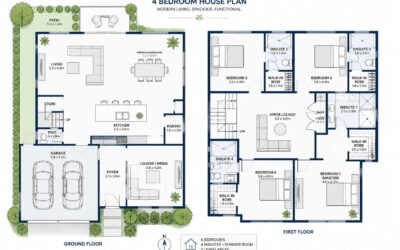
On the other hand, multi-story simple floor plans elevate the concept of vertical living, offering a clever way to maximize limited land while creating distinct zones for privacy and communal life. They lend themselves beautifully to modern South African homes, where clever zoning is essential. Consider the elegance of a well-designed staircase or the strategic placement of rooms across floors—this approach allows for a tailored balance of size and functionality, all within the framework of simple floor plans.
- Single-story layouts emphasize ease of movement and open-concept living.
- Multi-story designs unlock vertical space, ideal for compact urban plots.
Whichever style resonates, both types of simple floor plans serve as the blueprint for homes that are not only efficient but also imbued with a sense of understated beauty—an ode to South Africa’s dynamic, ever-evolving architectural spirit.
Choosing the Right Simple Floor Plan
Factors to Consider
Choosing the right simple floor plan is an exercise in balancing practicality with vision. When selecting a design, consider how the layout will accommodate your lifestyle and future needs—after all, a poorly thought-out plan can turn into a costly mistake. One of the most crucial factors is the flow between rooms; seamless connectivity encourages natural movement and enhances overall functionality.
Another key consideration is the intended size and scope of the space. Will a compact layout suffice, or do you require room for expanding family members or future renovations? Keeping these factors in mind, many opt for linear or rectangular plans because they simplify construction and optimize natural light penetration. Ultimately, the most successful simple floor plans are those that harmonize space efficiency with personal comfort, creating a home that’s both practical and inviting.
Popular Features in Simple Floor Plans
Choosing the right simple floor plan is akin to selecting a blueprint for harmony—each line and space designed to echo your deepest needs. In a landscape where efficiency often trumps extravagance, the allure of well-crafted simple floor plans lies in their ability to seamlessly blend practicality with a touch of aesthetic grace. They embody a quiet mastery of spatial arrangement, transforming modest dimensions into sanctuaries of comfort.
Popular features in simple floor plans often include intuitive room connectivity and strategic placement of windows to maximize natural light. These elements foster an environment where movement feels organic, and spaces breathe freely. For many homeowners, the appeal extends beyond mere aesthetics—it’s about creating a home that adapts effortlessly to both current lifestyles and future ambitions.
In South Africa, where space constraints and economic considerations are often intertwined, the choice of a simple floor plan becomes a strategic decision. Incorporating features such as open-concept living areas and versatile room configurations can elevate the functionality of even modest plots. When carefully designed, simple floor plans do not just serve as a foundation; they become a canvas upon which personal stories unfold, making every square metre a testament to thoughtful living.
Design Tips for Creating Effective Simple Floor Plans
Using Symmetry and Balance
Designing a simple floor plan that captivates both the eye and the soul often hinges on the harmonious interplay of symmetry and balance. In a world where chaos seems to lurk around every corner, creating a space that feels naturally ordered can evoke a sense of calm and clarity. Symmetrical layouts, with their mirror-image elements on either side of a central axis, foster visual stability and aesthetic appeal. When thoughtfully balanced, these simple floor plans not only optimize space but also craft environments that feel intuitively welcoming.
To achieve this, consider the placement of key features—windows, doors, and furniture—so they reflect one another across the central point. This technique enhances flow and makes rooms appear more spacious. Sometimes, a subtle asymmetry, when carefully calibrated, can add a touch of personality without undermining the overall harmony. Remember, the goal is to create a space that feels both purposeful and serene—a hallmark of truly effective simple floor plans.
Prioritizing Natural Light
Natural light has the power to transform any space into a sanctuary—illuminating every corner with a gentle, life-affirming glow. When designing simple floor plans, prioritizing natural light isn’t just about aesthetics; it’s about forging a connection between the interior and the world outside. Thoughtful placement of windows and doors can flood rooms with sunlight, creating an inviting atmosphere that feels both expansive and intimate.
To harness this beauty effectively, consider the orientation of your home and the path of the sun throughout the day. Large, strategically positioned windows can maximize daylight, reducing the need for artificial lighting and enhancing energy efficiency. Incorporating clerestory windows or skylights into your simple floor plans introduces an extra layer of natural radiance, elevating the overall ambiance. Embracing these design elements results in spaces that breathe with vitality, making every moment spent indoors feel like a breath of fresh air.
Simplifying Room Transitions
In the delicate dance of designing simple floor plans, the art of smoothing transitions between rooms can elevate a dwelling from mere shelter to a sanctuary of flow. Imagine spaces that glide seamlessly into one another, where movement feels instinctive, almost poetic. Achieving this harmony requires a keen eye for spatial dialogue—an intentional choreography of doorways, archways, and open passages that invite light and energy to flow unimpeded.
When crafting these plans, consider the natural rhythm of daily life. Clear sightlines and unobstructed pathways nurture a sense of openness and ease—qualities that resonate deeply in simple floor plans. Sometimes, a gentle curve or a subtle variation in ceiling height can serve as a visual cue that guides inhabitants effortlessly from one zone to the next. In this way, the architecture breathes, connecting spaces with a quiet elegance that fosters both intimacy and expansiveness.
To truly master the craft, think beyond the physical: foster a sense of purpose in each transition. For example, a well-placed arch or an inviting corridor can subtly signal a shift from communal to private areas, enriching the home’s narrative. Creating effective room transitions isn’t just about spatial efficiency; it’s about cultivating a living environment where movement feels natural, comfortable, and infused with a sense of harmony. This is the essence of thoughtful simple floor plans—spaces designed not just to exist, but to resonate.
Tools and Software for Drawing Simple Floor Plans
Beginner-Friendly Floor Plan Software
In a world where every square meter counts, especially in rural South Africa, choosing the right tools to draw simple floor plans can be a game-changer. Fortunately, there are numerous beginner-friendly software options that make the process accessible and even enjoyable. These tools often boast intuitive interfaces, drag-and-drop features, and pre-designed templates, helping you bring your vision to life without needing advanced technical skills.
For those new to designing, some of the most popular simple floor plans software include options like SketchUp Free, Floorplanner, and Roomstyler 3D Home Planner. These programs enable you to experiment with layouts, visualize space, and tweak designs effortlessly.
- Affordable pricing or free versions
- Easy-to-understand tutorials
- Cloud-based access for convenience
Choosing the right software can transform the daunting task of planning into a rewarding journey, allowing rural homeowners and architects alike to craft simple floor plans that truly reflect their needs and dreams. It’s about making the most of every inch, with tools that empower you to design with confidence and clarity. After all, every great home begins with a simple, well-thought-out plan.
Advanced Design Tools
When it comes to designing simple floor plans, the right tools can profoundly shape the outcome. Advanced design software offers a level of precision and flexibility that transforms a basic idea into a tangible blueprint. These programs are not just about aesthetics—they serve as a mirror to human needs, balancing functionality with the innate desire for harmony within space.
Modern software solutions for drawing simple floor plans often incorporate features such as 3D visualization, customizable templates, and real-time collaboration. They allow users to experiment with layout options, optimize space usage, and ensure natural light flows seamlessly through each room. For those seeking efficiency, some tools provide cloud-based access, making it possible to work from anywhere—crucial for rural homeowners in South Africa who might lack consistent internet but need reliable software that adapts to their environment.
- AutoCAD Architecture: Known for precision and professional-grade capabilities, ideal for complex yet simple floor plans.
- Sweet Home 3D: An open-source option that simplifies the process with an intuitive interface and easy-to-use features.
- Chief Architect Home Designer: A comprehensive tool that balances advanced features with user-friendly design, perfect for creating functional, simple floor plans.
Choosing such advanced design tools enables a deeper understanding of spatial relationships. It invites users to explore human-centric design principles—how natural light influences mood or how flow impacts daily routines—making simple floor plans more than just diagrams, but reflections of human experience within a home. This fusion of technology and insight elevates the process, ensuring every square meter counts and every corner feels intentional.
Online Resources and Templates
Designing simple floor plans doesn’t have to be complicated, especially with the wealth of tools available online. In South Africa, more homeowners and architects are turning to digital resources to craft efficient, human-centered layouts that make the most of every square meter. The right software can turn a rough sketch into a detailed blueprint, offering precision and flexibility at every stage.
Popular online resources and templates streamline the process, making it easier for beginners and seasoned designers alike to create their ideal space. These platforms often include customizable templates tailored for simple floor plans, saving time and reducing errors. Additionally, cloud-based options enable remote collaboration, which is particularly useful for rural homeowners who may not have consistent internet but still want reliable design tools.
For those seeking more advanced features, programs like Sweet Home 3D and Chief Architect Home Designer are excellent choices. They combine intuitive interfaces with powerful capabilities, allowing users to experiment with layouts, visualize in 3D, and optimize natural light flow. Whether you’re planning a modest home or a compact studio, these tools make designing straightforward, practical, and visually appealing simple floor plans accessible to everyone.
Examples of Well-Designed Simple Floor Plans
Case Study 1
One standout example of a well-designed simple floor plans is a compact coastal cottage in Cape Town. Its open-plan living area maximizes space, creating a seamless flow from the kitchen to the lounge. This layout not only enhances natural light but also fosters a sense of openness that suits smaller homes perfectly.
In this case study, the focus was on balancing size and functionality without sacrificing aesthetic appeal. The plan features a straightforward rectangular shape, which simplifies construction and reduces costs. By prioritizing natural light and easy room transitions, the design proves that simple floor plans can be both practical and stylish. Efficiency and clarity are key—showing that simplicity doesn’t mean sacrificing comfort or character.
For those considering their own projects, paying attention to spatial flow and strategic placement of windows can make a significant difference. Simple floor plans like this demonstrate how minimalism can deliver maximum impact in a home’s comfort and usability.
Case Study 2
When it comes to designing homes that are both functional and charming, simple floor plans often steal the show—without the fuss of overly complicated layouts. Case Study 2 features a sleek, minimalist home in Johannesburg that exemplifies how less truly can be more. This design prioritizes streamlined movement and efficient use of space, proving that a well-thought-out simple floor plan can maximize comfort without sacrificing style.
What sets this example apart is its clever zoning, which divides private and communal areas with ease. The open-plan living room seamlessly connects to a compact kitchen, encouraging social interaction while maintaining a sense of openness. To enhance natural light, strategic window placement was key—making the space feel airy and inviting. The result is a home that’s easy to navigate, cost-effective to build, and visually appealing.
- Thoughtful spatial flow
- Efficient room placement
- Maximized natural light
Such simple floor plans show that simplicity isn’t synonymous with blandness. When designed with precision, they deliver maximum usability and aesthetic appeal—perfect for homeowners seeking practicality without sacrificing personality. In South Africa’s diverse housing market, these layouts are especially popular for their affordability and ease of construction, proving once again that sometimes, less really is more.
Design Inspiration Gallery
When exploring design inspiration for simple floor plans, visuals often reveal how elegance can emerge from minimalism. A well-curated gallery showcases diverse layouts that demonstrate how thoughtful planning transforms even modest spaces into functional havens. These examples highlight the beauty of uncomplicated designs, emphasizing flow, natural light, and efficient use of space.
In South Africa’s housing market, homeowners and developers increasingly turn to simple floor plans as a practical solution. Whether it’s a sleek open-concept living area or a compact studio, the key lies in clarity of purpose and strategic spatial arrangement. A common feature across inspiring layouts is the use of balanced symmetry and natural light to create inviting atmospheres without clutter.
- Highlighting open-plan living zones that promote social interaction
- Utilizing clever zoning to separate private and communal spaces
- Incorporating large windows for maximum natural light and ventilation
By examining these design inspiration examples, it’s evident that simple floor plans are more than just cost-effective—they’re a statement of intentionality and style. They serve as a reminder that sometimes, less truly is more in the world of home design and architecture.
Maintaining and Modifying Simple Floor Plans
Adapting Plans as Your Needs Change
As life evolves, so too must our living spaces. Maintaining and modifying simple floor plans is an art that balances practicality with vision. When needs shift—perhaps a growing family, a desire for a home office, or a need to improve natural light—adapting your floor plan becomes essential. Flexibility is at the heart of timeless design, allowing homeowners to reconfigure spaces without sacrificing aesthetic harmony.
One effective approach is to focus on modular elements that can be adjusted with ease. For example, open-concept layouts lend themselves beautifully to future modifications, whether expanding a living area or creating designated zones for work and leisure.
- Removing a non-load-bearing wall
- Converting a multipurpose space into a dedicated room
- Adding built-in storage solutions to optimize space
These simple steps can transform your home, making it more aligned with your changing lifestyle. Embracing such adaptability ensures your simple floor plans remain a source of comfort and functionality, no matter how your needs evolve.
Tips for Cost-Effective Renovations
Renovating on a budget doesn’t mean sacrificing style or functionality—especially with simple floor plans that are inherently flexible. When considering cost-effective renovations, the key is to focus on strategic changes that maximize space without breaking the bank. Small tweaks, like adding built-in storage solutions, can make a world of difference in an open-plan layout by reducing clutter and enhancing flow.
Another clever tip is to prioritize non-structural modifications. Removing a non-load-bearing wall in your simple floor plans can open up your living space, creating a more inviting atmosphere and improving natural light penetration. For those who love a bit of a DIY challenge, simple updates such as repainting, rearranging furniture, or installing new fixtures can breathe new life into your home without extensive overhaul costs.
In essence, the secret lies in focusing on adaptable elements—like modular furniture or multipurpose rooms—that allow you to modify your simple floor plans as your needs evolve. Flexibility, after all, is the cornerstone of timeless design, especially when it comes to cost-effective home improvements in South Africa’s diverse housing market.
Consulting Professionals for Customization
When it comes to maintaining and modifying simple floor plans, consulting professionals can make all the difference. While DIY projects have their appeal, expert input ensures that modifications align with structural safety and long-term functionality. An experienced architect or designer can assess your space and recommend strategic updates that enhance both aesthetics and practicality.
For those considering customization, professionals can guide you through options such as expanding open areas or installing non-load-bearing walls. They also help identify opportunities to improve natural light or optimize room flow, all while respecting your budget. Remember, small but thoughtful changes often yield the most significant impact in simple floor plans.
Sometimes, a straightforward consultation can reveal innovative ideas—like incorporating modular furniture or multipurpose zones—that adapt your home to evolving needs. Whether you’re adjusting a single-story layout or reconfiguring a multi-story plan, expert advice ensures your simple floor plans remain flexible and functional for years to come. After all, maintaining and modifying your home shouldn’t be a guessing game—professional guidance makes it efficient and safe.
SEO and Content Optimization Strategies
Keyword Placement and Density
In the sprawling universe of architectural design, simple floor plans are the unsung heroes—proof that less truly is more. When crafting content around these uncomplicated layouts, strategic keyword placement becomes the secret sauce that boosts SEO without sounding like a robot. The key is to weave keywords naturally into engaging narratives, avoiding awkward stuffing and ensuring the flow remains as smooth as a freshly laid concrete slab.
Optimal keyword density—around 1%—ensures that search engines recognize the relevance of your content without penalizing it for overuse. For example, sprinkling phrases like “simple floor plans” throughout your writing in a conversational manner helps search engines understand your focus area while keeping readers hooked. Remember, keywords should blend seamlessly into your sentences, much like a well-placed window in a minimalist design.
For enhanced visibility, consider using variations and related terms such as “basic floor plans,” “compact layouts,” or “easy-to-understand floor plans.” These synonyms diversify your content, making it richer and more appealing to both search engines and human readers. Incorporating these phrases naturally can elevate your SEO game, ensuring your simple floor plans stand out in a crowded digital landscape.
Using Descriptive Language
In the realm of architectural design, mastering SEO for content about simple floor plans is essential for standing out in a competitive digital landscape. Crafting compelling, keyword-rich narratives that resonate naturally with readers requires finesse—think of it as designing an intuitive, seamless layout for your website’s content. When integrating keywords like “simple floor plans,” aim for a balanced approach that maintains readability and engagement. Overloading your text with keywords can disrupt the flow, much like a cluttered room diminishes the aesthetic of a minimalist interior.
Strategic placement of keywords throughout your content—such as in headings, subheaders, and within the body—ensures search engines recognize the core focus without compromising the user experience. Incorporating related phrases like “compact layouts” or “easy-to-understand floor plans” adds variety and depth to your SEO strategy. To elevate your content further, consider using natural variations that reflect different search intents, making your website a comprehensive resource for anyone exploring simple floor plans in South Africa.
Incorporating Related Keywords
In the vast landscape of architectural storytelling, the language of simple floor plans offers clarity and elegance, much like a well-composed sonnet. When optimizing content for search engines, weaving keywords such as “simple floor plans” seamlessly into your narrative becomes an art form—balancing technical precision with poetic flow. The phrase not only captures the essence of minimalism but also resonates with those seeking straightforward, functional designs that speak to both aesthetic sensibility and practicality.
Strategic placement of this keyword throughout your content—especially in headings, subheaders, and within the narrative—ensures that search engines recognize your core focus while maintaining a natural, engaging tone. Consider variations like “compact layouts” or “easy-to-understand floor plans,” which enrich your SEO tapestry without disrupting readability. An effective approach involves highlighting features such as open-concept layouts, linear forms, and space-efficient arrangements, all of which are hallmarks of simple floor plans that appeal to modern homeowners in South Africa.
- Incorporate related keywords thoughtfully to diversify your SEO strategy
- Use natural language that reflects different search intents
- Maintain a fluid, poetic rhythm that captivates both human readers and algorithms
Internal and External Linking
In the bustling realm of real estate and home design, the art of SEO often feels like navigating a labyrinth—until you realize that simple floor plans are your guiding star. Incorporating keywords such as “simple floor plans” naturally into your content not only boosts visibility but also ensures that your message resonates with modern homeowners craving straightforward, functional spaces. These minimalistic layouts, characterized by open-concept designs and linear forms, speak directly to those seeking smart, space-efficient solutions.
Strategic internal linking—like connecting your article to related topics such as “compact layouts” or “easy-to-understand floor plans”—creates a web of relevance that search engines love. External links to reputable resources or design galleries further enhance your credibility. Remember, in the world of SEO, it’s not just about stuffing keywords but weaving them seamlessly into a tapestry of engaging, natural language. After all, a well-optimized piece about simple floor plans should feel like a conversation—smooth, inviting, and designed to captivate both human readers and algorithms alike.
0 Comments