
Understanding Simple Floor Plans
Definition of Simple Floor Plans
Imagine walking into a home where every space whispers clarity and purpose—this is the essence of floor plans simple. These uncomplicated blueprints are the foundation of effortless living, transforming complex architectural designs into accessible, easy-to-understand layouts. In South Africa, where space is often treasured, the beauty of simple floor plans lies in their ability to maximize functionality without sacrificing elegance.
At their core, floor plans simple serve as the visual language of a home, depicting each room’s position and relation to others with straightforward precision. They strip away unnecessary details, allowing homeowners and builders alike to focus on what truly matters—flow, comfort, and practicality. For those seeking a harmonious blend of aesthetic appeal and usability, understanding these plans unlocks a world of possibilities.
To better grasp their structure, consider that floor plans simple often include:
- Clear delineations of living areas, bedrooms, and kitchens
- Minimalistic symbols that represent doors, windows, and fixtures
- A focus on spatial relationships that promote natural movement within the home
In essence, simple floor plans are the compass that guides the creation of homes that are both beautiful and functional, making them an invaluable tool in South Africa’s diverse architectural landscape.
Benefits of Using Simple Floor Plans
In the realm of home design, clarity is often the secret ingredient to effortless living. Embracing floor plans simple unlocks a realm where every space breathes with purpose and ease, creating a harmonious sanctuary. For homeowners and builders in South Africa, these uncomplicated blueprints are more than just sketches—they are the key to maximising space without sacrificing elegance.
The true magic of floor plans simple lies in their ability to translate complex architectural dreams into a visual language that speaks directly to the soul of a home. By focusing on fundamental spatial relationships, they foster a natural flow that enhances daily life. Imagine walking from a cozy living room to a sunlit kitchen seamlessly—this is the essence of a well-designed simple floor plan.
Using floor plans simple offers several compelling benefits, such as:
- Ease of understanding for all stakeholders involved in construction or renovation
- Speedy decision-making process, saving time and resources
- Enhanced adaptability, allowing for future modifications without chaos
Ultimately, these blueprints serve as the guiding star in crafting homes that marry functionality with aesthetic charm—an invaluable asset in South Africa’s diverse architectural landscape. Their simplicity is not a limitation, but a gateway to unlocking endless possibilities for comfortable, elegant living.
Common Features of Simple Floor Plans
In the shadows of architectural complexity, floor plans simple emerge as beacons of clarity, guiding us through the labyrinth of home design with unwavering purpose. Their common features are like whispers of ancient secrets, revealing the essence of space in its purest form. These blueprints often embrace open, flowing layouts that foster a natural rhythm—where each room breathes freely, unencumbered by unnecessary embellishments.
One of the most captivating aspects of floor plans simple is their emphasis on functionality—every wall, every doorway, meticulously placed to enhance daily life. They typically showcase a straightforward arrangement of core living spaces, such as the living room, kitchen, and bedrooms, ensuring effortless navigation. For those seeking adaptability, these plans often include versatile areas that can evolve with changing needs. Sometimes, a simple floor plan might feature:
- A seamless connection between indoor and outdoor areas
- Minimal corridors that maximize usable space
- Clear sightlines that foster a sense of openness and safety
In South Africa’s diverse architectural environment, these features allow homeowners and builders to craft homes that are both practical and elegant—an enduring testament to the beauty of simplicity in design. Floor plans simple are not merely sketches—they are the silent architects of comfort and harmony, whispering possibilities into the fabric of everyday living.
Design Principles for Simple Floor Plans
Minimalism and Clarity
In the realm of architectural elegance, the guiding principle of simplicity often reveals the most profound beauty in floor plans simple. These designs embrace minimalism, stripping away unnecessary embellishments to focus on clarity and function. The essence of a well-crafted simple floor plan lies in its ability to create a seamless flow, making even the most expansive spaces feel intimate and inviting.
When designing with minimalism in mind, every line and partition becomes purposeful, fostering a sense of calm and order. Clarity in layout ensures that each room’s purpose is immediately apparent, eliminating confusion and fostering effortless navigation. This clarity is especially vital in homes where ease of movement enhances daily living, making the space feel larger through open, airy arrangements.
To achieve this, consider these core principles: simplicity in form, spatial efficiency, and aesthetic restraint. By adhering to these, a designer can forge a harmonious environment that embodies the true spirit of simplicity in floor plans simple, transforming mundane spaces into extraordinary sanctuaries. Such principles ensure that every square meter resonates with purpose and serenity, truly reflecting the beauty of minimalism in architectural design.
Maximizing Space Efficiency
In a world where space often feels like a luxury, designing with simplicity becomes more than an aesthetic choice—it’s a necessity. Maximizing space efficiency within floor plans simple requires a delicate balance between functionality and restraint. When every square meter is purposeful, the space transforms from cluttered to calming, fostering a sense of peace amid everyday chaos.
One effective approach is to prioritize open-plan layouts that encourage natural flow and flexibility. This not only makes rooms feel larger but also enhances the feeling of freedom and ease of movement. To achieve this, consider integrating multi-functional areas—such as a combined living and dining space—that serve multiple needs without sacrificing clarity.
- Optimize natural light to reduce the need for artificial illumination, creating a brighter, more inviting atmosphere.
- Use built-in storage solutions to maintain clean, uncluttered surfaces, emphasizing the simplicity of the design.
- Limit partition walls to foster openness while maintaining distinct zones for privacy and activity.
When designing with these principles in mind, a well-crafted floor plan becomes a sanctuary—simple yet profoundly effective. It’s about creating spaces that breathe, where every element serves a purpose, and simplicity reigns supreme in the pursuit of comfort and efficiency.
Ease of Navigation and Flow
In the quiet shadows of architectural design, the art of ease—particularly in floor plans simple—holds an almost mystical allure. Navigating a space should feel like a gentle dance, not a forced march. The secret lies in crafting a flow that guides the eye and the spirit smoothly from one sanctuary to the next. When every corridor and corner is thoughtfully considered, the space breathes, whispering stories of serenity and purpose.
To achieve this, consider a few key principles: a well-balanced layout, strategic placement of doors, and a deliberate avoidance of unnecessary partitions. An open-plan design naturally fosters an effortless flow—each room connected by invisible threads of intention and harmony. The following approach ensures ease of navigation within these floor plans simple spaces:
- Prioritize central pathways that serve as arteries, connecting all essential zones without interruption.
- Design clear sightlines to enhance spatial awareness and reduce disorientation.
- Limit obstructions that can fragment the flow, maintaining a cohesive environment.
When these elements converge, the space morphs into a sanctuary—a realm where movement is unencumbered, and simplicity reigns supreme. Floor plans simple become more than mere blueprints; they transform into living, breathing manifestations of clarity and calm, beckoning the soul to wander freely within their gentle contours.
Functionality Over Complexity
In the realm of architectural elegance, simplicity doesn’t mean sacrificing function—it magnifies it. When designing floor plans simple, the goal is to craft a space that feels intuitive and effortless, almost like a story unfolding with each step. The key is to prioritize flow over complexity, creating a seamless journey through each room that invites tranquility and clarity.
At the heart of effective design lies a few fundamental principles. A well-balanced layout ensures that every corner has a purpose, while strategic placement of doors fosters a natural progression from one space to the next. Avoiding unnecessary partitions is crucial; instead, embrace open-plan concepts that promote a harmonious connection across zones.
- Identify central pathways that serve as the main arteries of movement, linking all essential areas.
- Design sightlines that extend effortlessly from one part of the home to another, reducing disorientation.
- Limit obstructions to maintain an unbroken flow, allowing the space to breathe and expand.
In the end, floor plans simple are more than just blueprints—they are portals to serenity, where each element is deliberately curated to foster ease and purpose. This approach transforms ordinary spaces into extraordinary sanctuaries, inviting inhabitants to wander freely amid their gentle contours and unassuming beauty.
Types of Simple Floor Plans
Single-Story Floor Plans
Single-story floor plans are often considered the zenith of simplicity—no climbing stairs, no confusing layouts, just straight-up living bliss. This type of floor plan is perfect for those who value accessibility and want to avoid the maze-like corridors that can turn a home into a labyrinth. With a well-designed single-story layout, every room is just a few steps away, making it an ideal choice for families, retirees, or anyone who appreciates the convenience of everything on one level.
What makes these floor plans simple yet functional? They typically feature an open concept living area that seamlessly connects the kitchen, dining, and lounge spaces, creating an inviting atmosphere that promotes social interaction. Additionally, the distribution of rooms often prioritizes natural light and airflow, harnessing South Africa’s sunny climate to the fullest. For those considering floor plans simple, the emphasis is on clarity, ease of use, and efficient space utilization—no unnecessary complexity, just pure, unadulterated practicality.
- Minimal hallways that waste space
- Optimized room placement for privacy and connectivity
- Flexible design options to suit various lifestyles
Open-Concept Layouts
Open-concept layouts are the heart and soul of floor plans simple, transforming ordinary spaces into extraordinary havens of harmony. These designs eliminate the clutter of walls and hallways, fostering a seamless flow that invites natural light and air to dance freely throughout the home. Imagine waking up to sunlight streaming into your living area, where the kitchen, dining, and lounge areas meld effortlessly into a single, inviting space. Such layouts are especially popular in South Africa, where the sunny climate enhances the warmth of open, airy interiors.
To maximize the benefits of floor plans simple, many architects and homeowners favor a strategic approach to room placement. This often involves creating a central hub that connects all vital areas while maintaining privacy where needed. For example, bedrooms might be tucked away at the back, shielded from the lively activity of the main living space, yet still accessible through unobstructed pathways.
- Prioritize natural light and airflow for a brighter, more comfortable atmosphere.
- Use flexible design elements that can adapt to evolving lifestyle needs.
- Minimize hallways that waste space and instead focus on open, multifunctional areas.
In the world of floor plans simple, simplicity doesn’t mean sacrificing style or functionality. It’s about creating a home that feels expansive and intuitive—an enchanting space where every detail enhances daily living and effortlessly captures the essence of modern South African homes.
Compact and Small-Space Designs
In the bustling world of South African homes, not everyone is after a sprawling mansion; sometimes, a well-designed compact or small-space home hits the sweet spot. When it comes to floor plans simple, these designs emphasize efficiency without sacrificing style—proof that less truly can be more. Think cozy, functional, and smartly laid out, these plans are perfect for urban dwellers or anyone craving a low-maintenance sanctuary.
Compact and small-space designs often feature cleverly integrated storage solutions and multi-purpose rooms that adapt to your evolving needs. For example, a cleverly tucked-away laundry nook or a fold-down desk can make a small home feel expansive and versatile. The key is focusing on open, flowing areas that maximize every centimeter, creating an airy atmosphere even in tight spaces.
To enhance usability, many floor plans simple incorporate
- multi-functional furniture
- strategic room placement
ensuring every square meter works hard for you. South African homeowners appreciate these efficient layouts, especially when paired with natural light and airflow, transforming even the tiniest homes into welcoming retreats. After all, when it comes to floor plans simple, it’s all about making the most of what you’ve got—compact, clever, and captivating!
Modular and Customizable Plans
In a landscape where personalization and adaptability are increasingly valued, modular and customizable floor plans simple stand out as the pinnacle of versatile design. These plans serve as a blank canvas, allowing South African homeowners to shape their living spaces to reflect individual lifestyles and evolving needs. Unlike rigid templates, modular designs embrace flexibility—think open walls, movable partitions, and adaptable room configurations that can be reconfigured as life changes.
What makes these floor plans simple truly exceptional is their capacity for customization. Homeowners can choose from a variety of modules—such as additional bedrooms, expanded kitchens, or integrated workspaces—that seamlessly fit together, creating a harmonious flow throughout the home. This approach not only optimizes space but also aligns with the cultural nuances of South African living, where community and family often influence home layouts.
- Foundation modules that cater to different household sizes
- Flexible room additions or removals
- Integrating outdoor living spaces for a holistic lifestyle
By embracing the concept of modular and customizable floor plans, homeowners gain control over their environment—an essential trait in a country rich with diverse landscapes and lifestyles. These plans exemplify how simplicity can be infused with personal touch, transforming a basic layout into a bespoke sanctuary that evolves with your story. Truly, in the realm of floor plans simple, adaptability is the key to enduring comfort and style!
Key Elements of a Simple Floor Plan
Room Layout and Placement
In the realm of architectural design, understanding the key elements of a simple floor plan room layout and placement can profoundly influence the harmony of a living space. Research indicates that well-conceived floor plans simple in structure can enhance both functionality and emotional well-being—an essential consideration for modern South African homes.
At the core, effective space planning hinges on deliberate room placement that promotes intuitive flow and maximizes usability. For instance, positioning communal areas like the living room adjacent to the kitchen fosters seamless interaction, while private zones such as bedrooms are strategically tucked away to ensure tranquility. The balance between openness and privacy is paramount, and a thoughtful approach often involves an ordered sequence, like:
- Prioritizing high-traffic zones for easy access.
- Placing utility spaces in less prominent locations.
- Ensuring natural light penetrates key rooms through optimal window placement.
This careful arrangement underscores the essence of floor plans simple—clarity and purpose, woven into every room’s placement, crafting a space that feels both effortless and resonant with the needs of its inhabitants.
Number of Rooms and Their Sizes
When designing a home with floor plans simple, the number of rooms and their sizes play a pivotal role in creating a balanced, functional space. Too many rooms can feel cluttered, while too few might compromise comfort. Striking the right balance ensures each area serves its purpose without overwhelming the overall design.
Typically, a straightforward approach involves prioritizing essential rooms—living, kitchen, bedrooms, and bathrooms—and tailoring their sizes to suit daily needs. For example, a master bedroom might be slightly larger to accommodate a king-sized bed, while guest rooms are more compact. The key lies in maintaining harmony between room sizes to promote a sense of openness without sacrificing privacy or utility.
- Living spaces are often the largest, fostering social interaction and family bonding.
- Bedrooms are sized to provide comfort but avoid unnecessary excess.
- Utility rooms and bathrooms are strategically placed to maximize convenience and privacy.
In floor plans simple, clarity in the size and placement of each room simplifies navigation, making daily routines smoother. Thoughtful sizing not only improves functionality but also ensures the home remains inviting and adaptable to changing needs.
Connectivity and Access
In the realm of architecture, the essence of a truly effective floor plan lies in its ability to forge seamless connectivity and effortless access, transforming a house into a sanctuary of flow. Studies reveal that homes with well-conceived connectivity enhance daily routines, reducing the friction of movement and fostering a sense of harmony. When designing with floor plans simple, the focus shifts to intuitive pathways that connect vital spaces without unnecessary complexity.
Strategic placement of rooms ensures that every corner contributes to an integrated living experience. Open doorways, clear sightlines, and logical circulation routes—these are the hallmarks of a thoughtful, simple floor plan. For example, positioning the kitchen close to the dining and living areas encourages natural interaction and minimizes wasted footsteps. To further streamline movement, consider incorporating
- hallways of appropriate width
- direct access to outdoor spaces
which elevate the overall functionality.
Ultimately, the connectivity and access within a home reflect a subtle dance—balancing openness with privacy, simplicity with efficiency. When executed skillfully, these elements elevate floor plans simple from mere blueprints to living, breathing spaces that adapt gracefully to the rhythms of everyday life.
Natural Light and Ventilation
In the silent, shadowed corners of a home, natural light and ventilation breathe life into the space—transforming mere walls into an enclave of vitality. For those who cherish the elegance of floor plans simple, the dance of sunlight becomes a vital element, casting fleeting patterns that evoke both serenity and subtle mystery. Properly positioned windows and vents are the architects of this delicate balance, allowing light to flood key areas and ensuring a gentle breeze whispers through, unencumbered by labyrinthine corridors.
Strategic room placement amplifies this effect, creating a sanctuary where daylight filters seamlessly from the outdoors, illuminating the heart of every room. An open-plan layout is often the key to maximizing light and air, forging an environment that feels expansive yet intimate. For homes built with simplicity in mind, the goal is clarity—each space bathed in natural illumination, breathing freely with the aid of thoughtfully designed ventilation routes.
In essence, the interplay of light and air within a home is an understated symphony—one that elevates the concept of floor plans simple into a realm where beauty and function coalesce, whispering of timeless elegance in every sunbeam and breeze.
Tools and Resources for Creating Simple Floor Plans
Online Floor Plan Creators
Creating **floor plans simple** doesn’t require an architectural degree, nor does it demand a hefty budget or a PhD in design. In fact, with the advent of online tools, even the most design-challenged individual can craft a layout that’s both functional and aesthetically pleasing. These tools serve as digital sketchpads, transforming the concept of **floor plans simple** into an accessible and enjoyable process.
For those seeking to streamline their planning journey, here are some invaluable resources:
- Roomstyler — an intuitive platform that allows users to experiment with different layouts and styles without breaking a sweat.
- SketchUp Free — a versatile 3D modeling tool perfect for visualizing **floor plans simple** with surprising ease.
- Floorplanner — renowned for its user-friendly interface, making it effortless to create, modify, and share **floor plans simple** with clients and collaborators alike.
By leveraging these online floor plan creators, homeowners and designers alike can navigate the intricacies of spatial arrangement with confidence. After all, simplicity is the ultimate sophistication—especially when it comes to designing **floor plans simple** that truly reflect your needs and personality.
Design Software for Beginners
In the pursuit of crafting the perfect space, the artist’s palette often begins with a simple line—a blueprint that captures the essence of what is to come. For those venturing into the realm of **floor plans simple**, the journey is made all the more accessible by a variety of tools designed to demystify the process. These resources serve as the bridge between imagination and reality, transforming complex blueprints into elegant, straightforward designs that breathe life into any project.
For beginners seeking to harness the power of design software, a few standout options emerge as champions of clarity and ease. **Roomstyler** offers an intuitive interface, turning the daunting task of layout experimentation into a playful adventure. Meanwhile, **SketchUp Free** opens the door to three-dimensional visualization, allowing users to see their **floor plans simple** come alive with a few clicks. To further streamline the process, **Floorplanner** provides a seamless experience—perfect for sharing ideas effortlessly with clients or collaborators.
These tools are not just software—they are enablers of creativity, empowering even the most novice designers to create **floor plans simple** that are both functional and beautiful. As the old adage goes, simplicity is the ultimate sophistication—an ideal mantra for those who cherish clarity and elegance in spatial design.
Professional Drafting Services
In the realm of architectural expression, tools and resources for creating simple floor plans have become the artisan’s palette—each offering a unique brushstroke to shape spaces that breathe clarity and purpose. For those eager to translate vision into tangible design, a symphony of digital platforms awaits, transforming complex blueprints into elegant, accessible layouts. The promise of simplicity unfolds through intuitive interfaces, where even novices can craft floor plans simple yet striking, capturing the essence of functional beauty.
Online floor plan creators such as Floorplanner, Roomstyler, and SketchUp Free stand as steadfast companions on this journey. They eliminate the need for specialized training, instead offering seamless pathways to visualize and modify layouts with ease. These resources empower users to experiment with natural light flow, room connectivity, and spatial efficiency—elements vital to a compelling yet uncomplicated design. In the end, the goal remains crystal clear: to forge floor plans simple, where every detail serves a purpose, and simplicity elevates sophistication.
Tips for Designing a Simple Floor Plan
Prioritize Your Needs
When embarking on the journey toward a truly functional and aesthetically pleasing home, prioritizing your needs is paramount. A basic truth in architectural circles is that simplicity often breeds elegance—an idea perfectly embodied by floor plans simple enough to clarify what truly matters. In South Africa’s dynamic housing market, a well-designed floor plan should reflect your lifestyle without drowning in unnecessary complexity.
To craft a floor plans simple that aligns with your daily routines, start by listing your core requirements. What rooms are essential? How much space do you need for relaxation, work, or entertaining? Remember, a cluttered layout hampers flow and makes everyday navigation cumbersome. Instead, focus on a straightforward room layout and thoughtful placement of key areas, ensuring seamless connectivity and access. Incorporating natural light and ventilation can also enhance the feeling of spaciousness without complicating the design.
- Identify your must-have features.
- Limit the number of rooms to avoid overcrowding.
- Prioritize functional flow over ornate details.
By keeping your focus on what truly matters, you can achieve a home that’s both simple in design and rich in comfort—proof that sometimes, less truly is more in the world of floor plans simple.
Keep It Functional
Designing a floor plans simple isn’t merely about minimalism; it’s an art of intentional restraint that cultivates both serenity and functionality within a home. When space is curated with purpose, every corridor, every room, breathes life into your lifestyle rather than cluttering it. Achieving this delicate balance demands a keen eye for what truly matters—eliminating the superfluous to focus on fluid connectivity and ease of movement.
To master the craft of creating a truly functional floor plans simple, consider the strategic placement of key areas. For instance, aligning the kitchen with the dining space or positioning bedrooms close to bathrooms can significantly enhance daily ease. Remember, a well-thought-out layout isn’t just about aesthetics; it’s about harmony and efficiency. Incorporating natural light and cross-ventilation further elevates the sense of openness without complicating the design.
Ultimately, the goal is to craft a space that resonates with your core needs, where every square metre serves a purpose. Keep the design straightforward—an uncluttered environment fosters peace of mind and allows the beauty of simplicity to shine through in every detail of your floor plans simple.
Use Clear Dimensions
Designing floor plans simple is an exercise in restraint—an art that requires clarity of vision and an understanding of human behavior within space. To ensure your layout is both functional and inviting, start with clear dimensions. Precise measurements create a foundation for harmonious flow, preventing clutter and fostering a sense of calm. When every room and corridor is thoughtfully sized, the entire home breathes with purpose and ease.
Keep in mind that simplicity doesn’t mean sacrificing comfort. Instead, it emphasizes intuitive connectivity—linking spaces so movement feels natural. An effective strategy is to align key areas, such as placing the kitchen near the dining space or bedrooms close to bathrooms. These choices streamline daily routines and minimize unnecessary travel within your home. Ultimately, floor plans simple are about elevating your living experience through intentional design, where less truly becomes more.
Consider Future Expansion
When envisioning a home that breathes ease and harmony, considering future expansion is a whisper of foresight that can transform a simple floor plan into a timeless sanctuary. A thoughtfully designed layout anticipates growth, whether that’s an additional bedroom, a home office, or a sunlit conservatory. The secret lies in flexible foundations—spaces that can adapt without sacrificing their innate simplicity.
Incorporating scalable elements ensures that your floor plans simple remain versatile. For instance, positioning potential extensions along the periphery of the current plan, or leaving room for structural modifications, transforms a minimalist design into a future-proof haven. This approach marries the beauty of uncluttered spaces with the practicality of growth, allowing your home to evolve gracefully as life’s needs shift. Embrace the idea that simplicity is not static but a canvas—ready to expand, adapt, and flourish over time.
Examples of Simple Floor Plans
Residential Home Plans
In the realm of residential architecture, simple floor plans often reveal more than their minimalistic exterior suggests. They embody a philosophy that prioritizes clarity, efficiency, and seamless flow—elements that resonate deeply with South African homeowners seeking functional elegance.
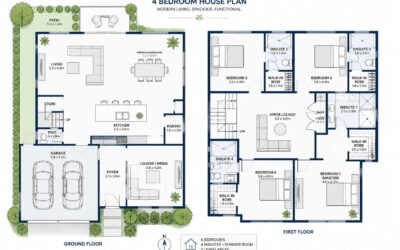
Examples of simple floor plans for residential homes tend to emphasize open-concept layouts, where spaces are interconnected without unnecessary barriers. Such designs promote natural light and ventilation, making homes feel brighter and more breathable. For example, a modest three-bedroom layout can be arranged with a combined living and dining area, optimizing every square meter for comfort and practicality.
Some popular simple floor plans include single-story designs that offer easy accessibility and a sense of unity within the home. Modular and customizable plans also enable homeowners to adapt spaces over time, ensuring the home remains aligned with evolving needs. Ultimately, the beauty of floor plans simple lies in their ability to create warm, inviting spaces that are easy to navigate—perfect for modern South African lifestyles.
Small Apartment Layouts
In the bustling heart of South Africa’s urban landscapes and tranquil rural settings, small apartments often tell stories of ingenuity and purpose. Simple floor plans are a testament to this, transforming limited space into a sanctuary of comfort and style. One popular example includes a clever studio layout where the living, sleeping, and working areas seamlessly coexist, maximizing every inch with minimal clutter.
For those seeking a bit more separation, a two-bedroom apartment with an open-concept living area creates a sense of openness while maintaining privacy. These layouts prioritize natural light and ventilation, making even compact spaces feel airy and inviting. The beauty of floor plans simple for small apartments lies in their ability to foster connection and ease, essential for modern South African lifestyles.
Vacation Cabins
Imagine a cozy vacation cabin nestled amidst South Africa’s breathtaking landscapes, where every inch of space whispers comfort and purpose. Simple floor plans for such retreats exemplify elegance in restraint—uncluttered, intuitive, and effortlessly inviting. These floor plans simple in design emphasize open spaces, allowing the natural beauty outside to fuse seamlessly with the interior.
One captivating example features a single-story layout with a combined living, dining, and kitchen area, fostering a sense of unity and ease. The simplicity of the floor plan enhances the cabin’s charm, making it perfect for unwinding after exploring South Africa’s wilderness. For those seeking versatile options, modular and customizable plans allow owners to adapt spaces over time while maintaining the purity of simple floor plans.
Urban Tiny Homes
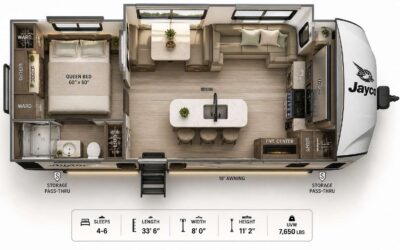
Urban tiny homes, with their compact charm and ingenious use of space, exemplify the art of simplicity in architectural design. These dwellings often feature floor plans simple yet profoundly effective, transforming limited square footage into a sanctuary of comfort and functionality. Imagine a cozy, single-level layout where every nook and cranny is optimized for effortless living, seamlessly blending living, sleeping, and cooking areas in a harmonious open-concept design.
What makes these floor plans simple but captivating is their ability to maximize natural light and ventilation, creating an airy atmosphere that feels expansive despite the small footprint. Many urban tiny homes adopt modular or customizable plans, allowing homeowners in South Africa to adapt their space over time without sacrificing the purity of a minimalist approach. Their clever room placement and access points ensure smooth navigation, making every inch count and elevating the tiny home experience to a new level of elegance.
SEO Strategies for Promoting Simple Floor Plans
Keyword Optimization
In a world obsessed with grandeur and opulence, the charm of floor plans simple often gets overlooked—yet, their understated elegance is precisely what makes them so compelling. When promoting these designs, SEO strategies that emphasize keyword optimization are paramount. Incorporating “floor plans simple” organically into your content not only improves search engine visibility but also attracts discerning clients seeking clarity over complexity. A well-crafted description that highlights the minimalist appeal can elevate your listing’s ranking and resonate with those craving functional beauty.
To truly maximize your SEO efforts, consider a targeted approach by embedding keywords naturally within compelling narratives. For example, emphasizing how “floor plans simple” facilitate effortless navigation or enhance space efficiency can appeal to a broad audience. Using varied sentence structures and descriptive language ensures your content remains engaging while optimizing for search engines. Remember, in the realm of simple floor plans, clarity and relevance are your best allies—making your website a beacon for those seeking straightforward, stylish living solutions.
Content Marketing Tips
In a competitive real estate market, standing out means more than just stunning visuals; it’s about how well your content resonates with search engines and prospective clients alike. When promoting floor plans simple, crafting SEO strategies that seamlessly integrate targeted keywords becomes essential. A natural inclusion of “floor plans simple” within engaging narratives not only boosts visibility but also appeals to clients craving clarity and straightforwardness. This authenticity can transform casual browsers into serious inquiries.
To elevate your content, focus on embedding keywords organically. Highlight how floor plans simple facilitate effortless navigation and maximize space efficiency—qualities highly valued by buyers. Incorporating varied sentence structures keeps the reader engaged, while strategic keyword placement ensures your website becomes a beacon for those seeking stylish yet uncomplicated living solutions. Remember, clarity and relevance are your greatest allies in the quest for search engine dominance—making floor plans simple the cornerstone of your digital marketing success.
Visual Content and Blueprints
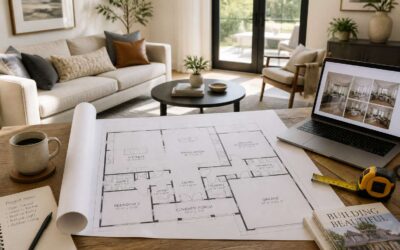
In the realm of digital marketing, visuals wield undeniable power—yet, when paired with strategic SEO, they transform from mere images into magnetic beacons for prospective buyers. For those promoting floor plans simple, the challenge lies in capturing the essence of clarity while ensuring search engines recognize their value. Incorporating natural mentions of “floor plans simple” within compelling narratives enhances visibility without sacrificing authenticity. This approach not only attracts attention but also builds trust among clients seeking straightforward, functional designs.
Efficient SEO strategies for promoting simple floor plans hinge on optimizing visual content and blueprints. High-quality images, complemented by descriptive alt text containing “floor plans simple,” serve as the foundation. Additionally, structuring content around the unique advantages—such as ease of navigation and maximized space—cements relevance. For example, emphasizing how simple floor plans facilitate effortless flow can resonate deeply with buyers seeking uncomplicated living solutions. To further elevate your reach, consider leveraging
- online floor plan creators
- design software for beginners
that allow you to generate engaging, SEO-friendly visual content effortlessly. These tools ensure that every blueprint is both visually appealing and optimized for search engines, turning your website into a veritable hub for stylish yet uncomplicated residential layouts.
Strategic keyword placement in image descriptions, headings, and throughout the narrative ensures “floor plans simple” becomes an integral part of your content ecosystem. When combined with compelling storytelling that highlights the ease of use and adaptability of straightforward designs, your site becomes a magnet for those seeking clarity and efficiency in home layouts. Remember, in the pursuit of SEO excellence, blending technical precision with rich storytelling paves the way for digital dominance in the market of simple, functional floor plans.
Local SEO and Targeting
In a market saturated with complex architectural jargon, the power of effective SEO for promoting floor plans simple cannot be overstated. When targeting local audiences, especially in South Africa, precision in keyword placement can make or break your visibility. Focus on integrating “floor plans simple” seamlessly into your content—whether in headings, image descriptions, or narrative flow. This not only signals relevance to search engines but also resonates with buyers seeking straightforward, functional home layouts.
Strategic local SEO targeting involves optimizing your Google My Business profile, including your location and services related to floor plans simple. Incorporating location-specific keywords within your website content ensures that potential clients in your area find your offerings effortlessly. For example, mentioning “South African homeowners looking for floor plans simple” can significantly enhance your local search rankings.
Furthermore, leveraging online floor plan creators and design software tailored for beginners can be an overlooked advantage. These tools enable you to craft visually appealing, SEO-friendly blueprints that highlight the simplicity and practicality of your designs. By embedding these visuals with descriptive alt text containing “floor plans simple,” you bolster your site’s authority and attract targeted traffic.
0 Comments