
Understanding the concept of extending floor plans
What is a floor plan extension and why it matters
Across South Africa, a well-planned extension can add up to 30% more usable space without the wrecking ball of a full rebuild. Understanding the concept of floor plans extension reveals how light and flow can be choreographed to breathe through a home.
- Outward extensions that push living areas into gardens or courtyards
- Internal reconfigurations that merge kitchens and lounges for better circulation
- Vertical or mezzanine extensions to add loft-like space without widening the footprint
These approaches hinge on balance—scale, proportion, and light dictate how an addition settles with the existing architecture. For a South African audience, climate, material choice, and local planning rules shape what reads as a successful extension, turning imagined spaces into real, beloved rooms.
Key goals of extending living space
A solid floor plans extension isn’t about tacking on space; it’s about rewriting how a home breathes. Across SA, a well-planned extension can add up to 30% usable space without a full rebuild. That figure underlines a simple truth: floor plans extension hinge on light and flow.
The concept rests on balance—scale, proportion, and light—so an addition sits with the architecture rather than an afterthought. Climate, material choices, and local planning rules shape what reads as a successful extension, turning ideas into real rooms!
Key goals of extending living space include brighter interiors, better circulation between zones, and stronger connections to gardens and courtyards.
- Brighter interiors with natural light
- Better circulation between living areas
- Stronger relationships with outdoor spaces
In SA, diverse climates and codes steer materials, insulation, and finishes. A thoughtful extension respects neighbours and street presence, delivering rooms that feel integral rather than imposed.
Common scenarios that trigger a floor plan extension
A single, well-placed extension can rewrite a home’s heartbeat—imagine a 30% uptick in usable space across SA. Open spaces are not merely added rooms; they are reimagined rhythms. A floor plans extension asks how a home breathes, not how it grows. In its best form, light travels, doors greet, and circulation becomes a daily, practical grace. Framing the idea helps homeowners picture rooms that belong to one another rather than compete for attention.
Consider these triggers for evolution:
- Kitchen expands toward daylight and the garden
- Dining and lounging zones merged for flow
- Calmer, brighter home office with exterior views
- Additional bedroom suite connected to the outdoors
Each trigger invites a careful balance of scale, proportion, and the quiet art of making additions read as part of the existing shelter.
Design strategies for extending floor plans
Incorporating open-plan living and improved flow
A striking stat still echoes through design circles: open, airy spaces lift mood and perceived space. Design strategies for extending floor plans favor open-plan living, where sightlines run uninterrupted and daylight travels from room to room. The aim is to weave kitchens, dining, and lounges into one continuous rhythm, while preserving intimate nooks for quiet conversation.
To nurture that flow, consider these principles:
- Seamless sightlines from entry to the core living area
- Shared flooring and cohesive materials across zones
- Flexible partitions or none at all to redefine space as needs shift
Think about context: South Africa’s light and climate invite operable doors, wide eaves, and cross-ventilation to keep the extended plan comfortable. A floor plans extension becomes a sculpture of everyday life, where function meets beauty without compromising privacy or energy efficiency.
Integration with existing architecture and facades
Across South Africa, a cohesive floor plans extension can lift perceived space by up to 25%, turning a cramped rear into daylight’s theatre. “Let the house speak in one voice,” says a SA architect, and the addition should honor the original brick while inviting light to travel through rooms. The aim is quiet continuity.
- Echo the existing architectural language with materials, color, and window rhythm to keep the façade cohesive.
- Align openings and massing with original elevations so the addition reads as a natural continuation.
- Use shared flooring and restrained trim to reduce visual clutter and preserve a single, flowing interior.
- Incorporate eaves, shading, and operable doors to support cross-ventilation in SA’s climate.
In SA’s bright climate, operable doors and wide eaves help the extension breathe, guiding daylight and air along the new rhythm. A thoughtful floor plans extension becomes a sculpture of daily life, balancing privacy and energy efficiency with beauty.
Spatial planning and efficient circulation
Across South Africa, a well-executed floor plans extension can reduce daily wandering by up to 25% and pull daylight into the heart of the home! The design is a quiet negotiation between old and new, where space speaks in a single voice. A disciplined floor plans extension respects proportion while inviting clarity and light to travel along rooms.
Strategic spatial planning creates efficient circulation by aligning primary routes with natural sightlines. The floor plans extension should balance public and private zones, minimize backtracking, and preserve a cohesive interior rhythm. Openings, shared flooring, and restrained trim keep the architecture legible while letting the new addition read as a natural continuation of the original elevations.
Consider these design moves:
- Clear circulation that guides movement without dead ends
- Shared materials and aligned openings to unify interiors
- Operable ventilation and eaves that capture SA daylight
Choosing materials and finishes that blend with the original structure
Design strategies for extending floor plans hinge on quiet coexistence with the old. A well-considered floor plans extension should respect proportion and daylight, reading as a single voice rather than a stitched-on add-on. In South Africa’s daylight, the new spaces should catch light, frame views, and echo the original texture—stone, brick, timber—to keep the facade legible from street to kitchen. The aim is warmth, clarity, and belonging that travels from room to room!
To help material choices blend gracefully, consider these strategies:
- Mirror existing brick or plaster tones to preserve unified color and texture.
- Choose timber finishes that echo interior beams or window frames for cohesion.
- Use neutral tiles or plaster that reflect SA daylight without glare.
Done well, these touches weave the extension into daily life without shouting.
Maximizing natural light in extended areas
A well-considered floor plans extension can help a home breathe in South Africa’s daylight, turning rooms into a continuous conversation instead of isolated boxes. The goal is to flood extended areas with natural light while preserving scale and human scale. By aligning windows with the sun path and framing views, the new spaces read as part of the original, not a colonizing add-on.
Design strategies hinge on proportion, material warmth, and daylight distribution. Think in terms of light as a solvent—it dissolves boundaries and guides movement. Materials should catch light, while finishes echo existing textures to keep the façade legible from street to kitchen.
- Clerestory windows along the extension to invite overhead light without sacrificing wall space.
- Skylights or light wells to illuminate central zones and reduce glare.
- Light-reflective finishes in whites, creams, and pale timber to carry daylight deeper into rooms.
Functional zoning for multi-use spaces
Space is not emptiness; it’s a conversation. In South Africa, a well-considered floor plans extension lets daily life breathe—flexible, human-scale zones that invite movement and sociability rather than boxed misfits.
Functional zoning makes multi-use spaces sing. Here are practical zoning moves that keep the flow intact:
- Flexible partitions that slide away when required
- Built-in, dual-purpose furniture that anchors a room
- Defined activity zones guided by light and acoustics
Done well, a floor plans extension respects zone hierarchy without shouting. In practice, keep sightlines clear, let kitchens and work zones share surfaces, and ensure storage does the heavy lifting. The result is rooms that converse, not compete.
Legal, budgeting, and project planning for extensions
Permits, approvals, and planning regulations
Smart extensions start with a rock-solid legal footing. In South Africa, roughly 60% of home extensions hit permit delays, turning blueprints into blue-tape fodder. Permits, approvals, and planning regulations shape every floor plans extension project—ignore them and the dream stalls in the driveway.
- Consultation with the municipal planning department to understand requisites
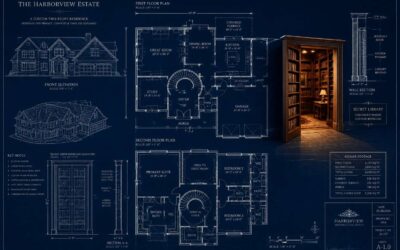
- Involve a registered architect or draughtsman for compliant drawings
- Preparation of site plans, drainage, and impact studies if required
- Documentation of permits and approvals for inspections
Budgeting comes next, with professional fees, surveys, and a contingency of 10–20%. A project timeline should accommodate permit processing, council inspections, and contractor lead times, all while keeping paperwork tidy and approvals aligned with local regulations!
Budgeting for a floor plan extension
Sixty percent of extensions stall in the driveway of red tape, and we still rise. A rock-solid legal footing powers every floor plans extension, turning vision into verifiable blueprint and keeping momentum alive on long afternoons of planning. In South Africa, precision today saves heartbreak tomorrow.
Budgeting anchors the journey with clarity and grace. Allocate for professional fees, surveys, and a prudent contingency of 10–20%; a tidy, transparent ledger keeps surprises at bay.
- Establish a 10–20% contingency to absorb surprises
- Define professional and survey costs with transparent fees
- Build a realistic timeline that respects contractor lead times
With these pillars in place, the project planning for extensions unfolds like a carefully composed act—measured, hopeful, and finally, a living space that mirrors a shared dream!
Timeline management and contractor selection
In South Africa, a floor plans extension begins with a rock-solid legal footing. Securing municipal approvals, aligning with the National Building Regulations, and preparing accurate plan submissions turns ambition into verifiable blueprint and keeps momentum when drawings meet scaffolding!
Financial discipline anchors the journey. Define a budget covering professional fees, surveys, and a prudent contingency. A transparent ledger weather-proofs surprises and ensures contractor lead times are respected, letting the project glide from drawing board to a livable extension.
Timeline management and contractor selection are the choreography of construction. Seek firms with SA-specific experience, verify licenses and insurance, and demand detailed proposals that tie milestones to permit approvals.
- Define selection criteria that align with project goals
- Check references and prior SA projects
- Verify licenses, insurance, and applicable warranties
- Assess proposed timelines and payment schedules
Practical layouts, real-world examples, and ROI
Compact extensions for small sites
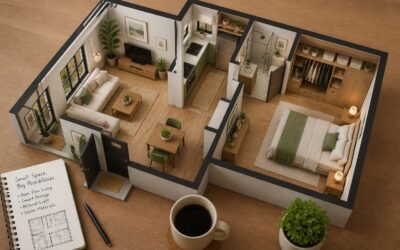
On small sites, practical layouts win where dreams meet tight budgets. A well-planned floor plans extension can add usable space without pushing the footprint. Think kitchen-dining hubs, sliding partitions, and under-stair storage that keep movement fluid. In South Africa, where many homes sit on compact erven, we focus on use over size and durable, honest design!
Here are a few guiding ideas:
- Compact footprint with multi-use zones
- Strategic glazing and ventilation to boost light
- Cost-to-value balance that supports ROI
Real-world examples show ROI comes from daily practicality, not flashy features! A small rear extension can turn a tired kitchen into an airy hub and a snug living area into a flexible family zone. The right layout makes the most of natural light and circulation, boosting comfort and value—central to any floor plans extension on a compact plot.
Two-story extension layouts and stair considerations
Practical layouts win where real life happens. A two-story extension gives more usable space without pushing the footprint. A smart stair position keeps movement fluid and frees precious ground-floor space for kitchen and living zones. In floor plans extension work, function guides form.
Real-world ROI comes from daily practicality, not showy features. A rear two-story addition can transform a tired kitchen into an airy hub and turn a snug lounge into a flexible family zone. The right layout boosts use, light, and circulation, lifting value on a compact SA plot.
Stair design matters. For two stories, consider a compact run or a space-saving winder, with storage underneath. A well-planned stair arrangement preserves sightlines and daylight, supporting long-term ROI.
- Space-efficient stair options
- Multipurpose zones near stairs
Case studies: before and after floor plan extensions
A two-story tweak often feels like magic: you gain daylight and function without widening the footprint. In South Africa, 68% of homeowners report sharper daily flow after a well-planned extension, proving that the right floor plans extension changes everything.
Real-world ROI comes from practicality, not flash. A rear two-story addition can turn a tired kitchen into an airy hub and a snug lounge into a flexible family zone. I’ve seen it lift daily use and daylight on compact SA plots.
- Before: cramped kitchen.
- After: open-plan hub with kitchen, dining, and living plus garden access.
- ROI: better flow, more daylight, and increased resale appeal.
Stair design matters more than it appears. A compact run or space-saving winder with under-stair storage preserves sightlines and daylight while keeping ground-floor space generous.
Measurement and planning checklists for success
Practical layouts fuse function and feel, turning cramped corners into daylight-rich zones. A well-considered floor plans extension reshapes daily life on SA plots, delivering open sightlines without widening the footprint.
In real projects, a rear two-story tweak morphs a tired kitchen into an open-plan hub and knits a snug lounge into a flexible family zone. I’ve watched daylight spill through extended volumes on compact South African sites!
ROI measurement and planning checklist for success keeps the process grounded.
- Set daylight, sightline, and circulation targets for each zone
- Quantify space gain and estimated resale value impact
- Include a realistic contingency and tight schedule in the budget
With these checks, a thoughtful extension becomes a steady engine of everyday joy.
Return on investment and resale value impact
Light is the loudest ally of a home, and in SA households it often does the heavy lifting. A thoughtful floor plans extension turns cramped corners into daylight corridors and makes every square metre hum with purpose.
In real projects, a rear two-story tweak morphs a tired kitchen into an open-plan hub and knits a snug lounge into a flexible family zone. I’ve watched daylight spill through extended volumes on compact South African sites!
- Daylight targets drive comfort and perceived space.
- Sightlines promote safety and fluidity between zones.
- Flexible zoning supports family rhythms and work-from-home needs.
ROI measurement and planning keep the dream practical, quantifying space gain, resale value, and a disciplined contingency. With these checks, an elegant extension becomes a steady engine of everyday joy in South African homes.
0 Comments