
Guided blueprint for space planning and layouts
Design fundamentals for spatial planning
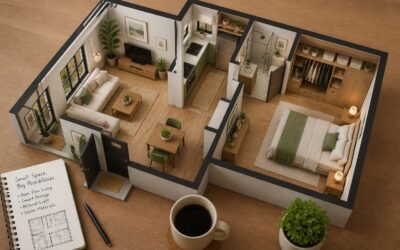
A sharp space plan can boost usable area in small South African homes by up to 15%. That’s why I treat floor plans and layouts as living guides, not fixed drawings. A guided blueprint for space planning aligns function with light, views, and daily rhythms, turning tight rooms into open, navigable zones. It starts with how spaces meet entrances, kitchens, and living areas, shaping flow rather than forcing movement.
- Traffic flow that respects entry and passage
- Natural light, ventilation, and views
- Storage efficiency and future flexibility
Design fundamentals for spatial planning hinge on scale, proportion, and rhythm. I keep textures and color in balance, letting materials weave a cohesive language that makes rooms feel larger and calmer. The aim is spaces that support living as it happens—without clutter or dead zones.
Room by room layout strategies
In South Africa’s compact homes, a room-by-room approach to floor plans and layouts can turn tight corners into calm corridors of movement. A measured rhythm in circulation unlocks usable area, quieting chaos and guiding daily life with intention.
A guided blueprint for space planning acts as a living map, aligning entrances with kitchens and living zones!
- Entry that leads naturally to a hub and a clear path to main rooms
- Kitchen placed for easy serving and minimal crossing traffic
- Living areas that invite daylight, views, and tidy storage nooks
Textures and color weave through the plan, magnifying space while keeping function crisp and uncluttered.
Visualization and planning tools
Space is a quiet ethics—the way walls inhale light and breathe movement. In South Africa’s compact homes, a guided blueprint becomes a moral instrument, aligning entrances with kitchens and living zones with purpose!
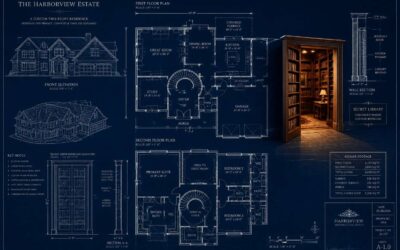
Mastering floor plans and layouts starts with a living map that adapts to sound civic rhythms; visualization and planning tools translate what I feel into tangible geometry. Digital floor plan software, 3D walkthroughs, and daylight simulations offer a way to test flow before any hammer strikes.
- Circulation and sightlines
- Adjacencies that support daily rhythms
- Storage nooks that stay tidy
Visualization tools become a quiet mentor, turning impulse into measurable space and making rooms feel larger than their walls. We design not for rooms, but for rituals of everyday life.
Practical considerations and case studies
South Africa’s compact homes demand a quiet geometry—a guided blueprint that aligns entrances with kitchens and turns living zones into ritual spaces. A stark truth: floor plans and layouts can slash wasted motion by half, translating impulse into purposeful, tangible rooms that breathe with the rhythm of daily life.
Practical considerations whisper between lines: structural constraints, daylight journeys, and the stubborn art of storage. The goal is not to fill spaces with furniture but to choreograph movement, letting flexible cores and adaptable partitions tell the story of future days.
Case studies illuminate the path:
- Cape Town loft that turned a narrow corridor into a sunlit gallery by shifting the core and adding a translucent screen.
- Johannesburg family home that reimagined the kitchen–living adjacency with a shared daylight spine.
These aren’t mere plans; they are a lattice designed to cradle rituals and respect the land’s peculiar light.
0 Comments