
Understanding Tiny Homes Floor Plans
Defining Tiny Homes and Their Benefits
Imagine shrinking your entire life into a space smaller than most family cars—sounds wild, right? Tiny homes floor plans are the secret recipe for turning this dream into a practical reality. These cleverly designed layouts maximize every inch, proving that less truly can be more. Whether you crave a cozy retreat or a minimalist’s paradise, understanding the nuances of tiny homes floor plans helps you carve out your perfect sanctuary.
Defining tiny homes isn’t just about size; it’s about redefining lifestyle. Typically, these dwellings are under 40 square meters, but their true charm lies in their innovative use of space. From multi-functional furniture to smart storage solutions, the best tiny homes floor plans are a masterclass in efficiency. Plus, they come with a host of benefits—lower costs, reduced environmental impact, and the freedom to move without losing your roots. It’s no wonder more South Africans are turning to tiny homes as a viable alternative to traditional housing.
Importance of an Efficient Floor Plan
In the delicate dance of transforming compact living spaces into sanctuaries, the importance of an efficient tiny homes floor plan cannot be overstated. Every inch must serve a purpose, weaving functionality with aesthetic appeal to craft a seamless flow that elevates the entire living experience. When designed thoughtfully, these layouts unlock the potential of limited space, making even the most modest tiny homes feel expansive and inviting.
Optimal tiny homes floor plans are more than just blueprints—they are the soul of a minimalist lifestyle. They dictate how well a space adapts to daily routines, ensuring that utility and comfort coexist harmoniously. For example, incorporating multi-functional furniture and clever storage solutions can dramatically enhance spatial efficiency. This level of ingenuity exemplifies how a well-conceived floor plan transforms a small house into a versatile, cozy retreat.
- Maximize vertical space for additional storage
- Design open-plan living areas to create a sense of openness
- Integrate fold-away furniture to free up space when needed
In the end, understanding the significance of tiny homes floor plans is vital—these blueprints are the foundation upon which dreams of simplicity and mobility are built. With each carefully considered detail, they turn a humble dwelling into a sanctuary that embodies freedom and efficiency, proving that less truly can be more.
Popular Tiny Homes Floor Plan Types
Minimalist Open-Concept Designs
In the world of tiny homes, certain floor plans have become legendary for their clever use of space and aesthetic appeal. Minimalist open-concept designs, in particular, are soaring in popularity. They create a sense of freedom and fluidity, transforming what might seem like a cramped space into a sanctuary of light and air. These layouts emphasize simplicity—stripping away unnecessary walls and clutter, and instead, focusing on a seamless flow that feels expansive despite the modest footprint.
For those seeking to maximize functionality while embracing style, open-concept tiny homes floor plans are a game-changer. They often feature multi-purpose furniture and clever storage solutions, making every nook serve a purpose. This approach not only enhances livability but also aligns perfectly with the minimalist ethos—less is truly more. Whether you prefer a compact studio or a slightly larger retreat, these floor plans are designed to satisfy the craving for both comfort and simplicity.
Multi-Functional Multi-Story Layouts
Multi-functional, multi-story layouts are redefining the boundaries of tiny homes floor plans, offering a blend of ingenuity and charm that captures the imagination. These designs embrace vertical space, transforming what might seem like a compact footprint into a vertical oasis of living. Imagine a cozy loft bedroom perched above a versatile living area, complete with hidden storage compartments and fold-away furniture that maximize every inch of space.
In fact, these innovative tiny homes floor plans often feature clever solutions such as mezzanines, sliding walls, and built-in furniture, creating a dynamic environment that adapts to your needs. They encourage a sense of adventure—turning small spaces into sprawling, multifunctional sanctuaries. With the right balance of form and function, these layouts make it possible to enjoy a full, rich lifestyle within a surprisingly modest footprint.
- Lofted sleeping areas
- Convertible furniture pieces
- Hidden storage solutions
Embracing multi-story designs in tiny homes floor plans not only optimizes space but also injects a sense of vertical grandeur, making every square inch work harder for you. It’s a clever dance of architecture and imagination—an essential consideration for those seeking the perfect tiny home that feels expansive, even in the smallest of spaces.
Compact Studio-Style Floor Plans
In the realm of tiny homes floor plans, compact studio-style layouts emerge as the quintessential expression of ingenuity and elegance. These designs distill the essence of functional minimalism, transforming limited square footage into a sanctuary of comfort and style. Imagine stepping into a space where every nook and cranny breathes purpose, where open-concept living blurs the boundaries between room and horizon.
Such tiny homes floor plans often feature an integrated living, sleeping, and kitchen area—an oasis of versatility. A cleverly designed studio can incorporate convertible furniture pieces, like fold-away beds and multi-use tables, to adapt seamlessly to day and night. Hidden storage solutions are the silent guardians of order, whispering promises of clutter-free serenity amid the compact grandeur.
Whether perched on a scenic hillside or nestled within the bustling heart of a city, these tiny homes floor plans offer a harmonious blend of form and function. They prove that space is a canvas—where creativity paints a masterpiece of minimalist living! Here’s a glance at what makes these tiny homes truly exceptional:
- Open-concept, multi-purpose areas
- Convertible furniture pieces for flexibility
- Smart hidden storage solutions that maximize every inch
Custom Designed Floor Plans
Custom-designed tiny homes floor plans are gaining traction as a practical response to the evolving housing landscape in South Africa. Unlike standard layouts, these bespoke plans address specific needs, preferences, and even local environmental considerations. Small does not mean sacrificing comfort or style, especially when every square inch is purposefully utilized.
Many homeowners opt for innovative solutions such as flexible partitions, modular furniture, and integrated storage to maximize their space. These features turn a compact footprint into a versatile living environment. For those seeking a unique touch, custom plans can incorporate eco-friendly elements, solar panels, or even off-grid capabilities—tailoring tiny homes floor plans to both lifestyle and sustainability goals.
Here’s a quick overview of what makes custom tiny homes floor plans stand out:
- Personalized layouts that optimize space and function
- Incorporation of local materials for durability and cost-efficiency
- Design flexibility to include multi-use rooms and outdoor integration
Ultimately, these tailored tiny homes floor plans are about creating a living space that is as unique as the person who inhabits it—demonstrating that even the smallest footprint can make a bold statement in modern living.
Design Considerations for Tiny Homes Floor Plans
Maximizing Space and Storage
Designing tiny homes floor plans requires a keen eye for maximizing every inch of space. In South Africa, where land scarcity and affordability are ongoing concerns, this becomes even more critical. A well-thought-out layout can transform a compact area into a functional, comfortable living space that feels larger than it is. Thoughtful placement of windows, multi-purpose furniture, and clever storage solutions are essential.
One effective approach is to incorporate built-in storage that doubles as seating or partitions, making the most of vertical space. When planning tiny homes floor plans, consider how each element serves multiple functions. This not only conserves space but also reduces clutter, keeping the living environment clean and inviting. For example, a fold-away bed or a Murphy-style setup can dramatically increase usability during the day.
To ensure every square meter is efficiently utilized, some designers advocate a layered approach—integrating storage, living, and working areas seamlessly. A simple numbered list can illustrate this strategy:
- Prioritize open-concept layouts to enhance flow and flexibility.
- Use multi-functional furniture to serve dual purposes.
- Incorporate vertical storage options to free up floor space.
- Design with mobility in mind, allowing for easy reconfiguration as needs change.
Ultimately, the goal with tiny homes floor plans is to create a space that feels spacious, practical, and adaptable—an ongoing challenge that, when mastered, offers a truly unique living experience.
Ensuring Privacy and Functionality
In the shadowed corners of the modern world, where land scarcity gnaws at the edges of possibility, the design of tiny homes floor plans becomes an art of clandestine mastery. Ensuring privacy within such confined spaces demands a delicate dance—each wall and partition whispering secrets of seclusion, yet never sacrificing the flow of life. In South Africa, where space is a luxury often reserved for dreams, a clever layout can mask its own limitations behind a facade of elegance and function.
Intimate zones must be crafted with intent, balancing openness with discreet privacy. Incorporating hidden compartments or sliding partitions can create sanctuaries within a tiny home, transforming the entire space into a realm of personal refuge. A well-placed window, for example, can serve as both a portal of natural light and a barrier that maintains solitude. When designing tiny homes floor plans, it’s vital to consider how each element can serve dual purposes—fostering privacy without encroaching on the overall harmony.
- Thoughtfully position sleeping areas away from communal spaces to preserve tranquility.
- Utilize multi-purpose furniture that can be easily reconfigured to suit changing needs.
- Implement soundproofing techniques to insulate private zones from the restless energy of shared areas.
In this labyrinth of spatial constraints, the true challenge lies in weaving functionality with an almost poetic sense of mystery. Every corner must serve a purpose, every design choice echoing the silent poetry of space and privacy. Tiny homes floor plans, when crafted with this dark elegance, transcend mere practicality—they become sanctuaries amid the chaos of modern existence.
Incorporating Natural Light and Ventilation
In the heart of South Africa’s evolving housing landscape, designing tiny homes floor plans that embrace natural light and ventilation is both an art and a necessity. Bright, airy spaces do more than illuminate— they uplift the spirit and foster a sense of openness within confined quarters. When carefully integrated, windows and openings serve as portals to the outside world, inviting the sun’s warmth and refreshing breezes inside.
Thoughtful positioning of these openings is crucial. For instance, aligning living areas to capture morning sunlight can transform a humble space into a sanctuary of warmth and vitality. Ventilation, on the other hand, ensures airflow that keeps the home fresh and cool, reducing reliance on energy-intensive cooling systems. To optimize both, consider installing high-level windows or strategically placed vents that promote cross-breezes without sacrificing privacy.
- Prioritize natural light by placing windows where they can catch the sun’s trajectory throughout the day.
- Incorporate adjustable louvered panels or sliding glass doors that open to outdoor verandas or gardens.
- Use ceiling fans or passive cooling techniques to enhance airflow, especially in warmer months.
By weaving these design considerations into tiny homes floor plans, creators forge spaces that breathe with life—places where residents feel connected to nature, even in the smallest of footprints. It’s this harmony between light, air, and design that elevates tiny homes from mere shelters to soulful retreats amid South Africa’s vibrant landscape.
Flexibility for Lifestyle Needs
Amid the shadowed corridors of South Africa’s burgeoning tiny homes movement, one truth remains unaltered: flexibility is the key to survival in these miniature sanctuaries. Every wall, every nook, must serve dual purposes, whispering secrets of adaptability and transformation. The art of designing tiny homes floor plans that mirror the fluidity of their inhabitants’ lives elevates mere shelter into an ever-changing tableau of human needs.
Imagine spaces that morph as easily as the shifting seasons—living rooms that double as bedrooms, kitchens that become workspaces with a flick of a curtain. Thoughtful planning involves creating zones that can be reconfigured, ensuring the home remains a refuge regardless of lifestyle shifts. For example, a fold-away bed or a sliding partition can carve out privacy without sacrificing openness.
In this dance of design, consider the power of tiny homes floor plans that incorporate multipurpose furniture, flexible layouts, and hidden storage—each element woven into a narrative of seamless adaptability. Because in the end, a tiny home isn’t just a space; it’s a living, breathing testament to the versatility of human spirit and ingenuity.
Popular Features in Tiny Homes Floor Plans
Loft Bedrooms and Sleeping Areas
In the world of tiny homes floor plans, loft bedrooms and sleeping areas are often the pièce de résistance. They’re the secret weapon that transforms a cramped box into a cozy sanctuary, making every inch count. Think of these spaces as a clever game of Tetris—stacked, integrated, and optimized to maximize comfort without sacrificing style.
One of the most popular features in tiny homes floor plans is the inclusion of a loft bedroom—an elevated retreat that frees up precious square footage below for living or storage. These lofts often come with built-in ladders or even stairs for easy access, ensuring that your vertical space isn’t just a gimmick but a functional haven. Sleeping areas tucked into the eaves or above the kitchen are not only space-efficient but also add a touch of architectural charm.
Some tiny homes floor plans go further, incorporating multi-purpose sleeping zones that double as workspaces during the day. This adaptability is vital when space is at a premium. For those who love a little vertical adventure, incorporating skylights or windows in the sleeping areas can flood the space with natural light and add a sense of openness—turning a tiny nook into a dreamy escape.
Ultimately, the secret to a truly stellar tiny homes floor plan lies in balancing clever design with the comfort of a proper sleeping area. After all, good rest is the foundation of any tiny home lifestyle—so why not make it a feature worth bragging about?
Multi-Use Living Spaces
When it comes to tiny homes floor plans, versatility is king—and nothing showcases this better than multi-use living spaces. Imagine transforming a cozy nook into a breakfast bar by morning and a workspace by afternoon. Clever design allows for maximum functionality without sacrificing style or comfort. This adaptability isn’t just a luxury; it’s a necessity in the world of tiny homes, where space is at a premium.
Some popular features in tiny homes floor plans include fold-away beds, convertible sofas, and hidden storage compartments—tricks that turn a small footprint into a fully functional living area. To streamline your design, consider the following:
- Multi-purpose furniture that serves dual roles
- Sliding or pocket doors to save space
- Elevated platforms with built-in storage
Incorporating these elements into your tiny homes floor plans ensures every square inch is optimized for both living and entertaining. After all, in a tiny home, the secret is making the space work as hard as you do—without feeling like you’re living in a shoebox! Whether you’re nesting in a rural retreat or urban oasis, smart, multi-use layouts turn tiny homes into big ideas in compact living.
Integrated Kitchen and Bathroom Layouts
When contemplating the architecture of tiny homes floor plans, integrating a seamless kitchen and bathroom layout is paramount. These essential spaces must embody efficiency without sacrificing style or function. Cleverly designed kitchens often feature compact appliances, fold-away counters, and open shelving—elements that maximize every inch of available space. Similarly, bathrooms in tiny homes are increasingly adopting innovative layouts, incorporating corner showers, wall-mounted fixtures, and concealed storage to maintain a sense of openness.
One of the most popular features in tiny homes floor plans is the strategic placement of these core areas to optimize flow and privacy. Consider the following:
- Open-concept kitchen and bathroom zones to promote natural light and airy feelings
- Smart storage solutions integrated into walls and under fixtures
- Compact, multi-functional appliances that serve dual purposes
By weaving these elements into the design, tiny homes floor plans transcend mere compactness—transforming into sanctuaries of intelligent spatial planning. Every square inch becomes a testament to ingenuity, proving that functionality and comfort can coexist harmoniously even within the smallest footprints. In South Africa’s diverse landscape, these integrated layouts elevate the tiny home experience, making it a truly versatile and sustainable living option for modern dwellers.
Outdoor Living Spaces
In the world of tiny homes floor plans, outdoor living spaces have become the enchanted gardens where functionality meets serenity. Imagine stepping out onto a compact deck or a cleverly designed patio that extends the living realm beyond four walls. These outdoor sanctuaries are not mere add-ons but integral components that elevate the tiny home experience, especially in South Africa’s diverse climate. A well-designed outdoor space offers an oasis for relaxation, entertaining, or even cultivating a mini garden—transforming limited square footage into an expansive retreat.
Popular features in tiny homes floor plans often include fold-away porches, built-in seating, and weather-resistant planters. Such elements are meticulously woven into the design, creating a seamless transition between indoor comfort and outdoor allure. For those craving versatility, some tiny homes incorporate retractable awnings or sliding glass doors that flood the interior with natural light while maintaining a connection to the outdoors. Whether it’s a cozy braai spot or a lush herb garden, these outdoor living spaces turn tiny homes into all-encompassing havens of harmony and sustainability.
- Integrated outdoor kitchens that extend the culinary space
- Compact, foldable furniture for easy storage and versatility
- Designated zones for relaxation, dining, or gardening
These thoughtful features in tiny homes floor plans demonstrate that maximizing every inch isn’t just about indoor efficiency—it’s about creating a lifestyle that embraces the natural world. In South Africa’s vibrant landscape, outdoor living spaces in tiny homes bring a touch of magic, transforming small footprints into expansive realms of possibility!
Designing Your Custom Tiny Home Floor Plan
Assessing Your Needs and Lifestyle
Designing your custom tiny home floor plan is where the real fun begins—imagine creating a cozy sanctuary perfectly tailored to your unique lifestyle. But before sketching out that dream space, it’s crucial to assess your needs and lifestyle. Are you a budding chef who dreams of a gourmet kitchen, or a remote worker craving a dedicated office nook? Understanding your daily routines helps shape a tiny homes floor plan that’s both functional and fabulous.
To streamline this process, consider making a list of your must-have features and lifestyle priorities. This might include:
- Number of bedrooms needed
- Storage solutions for your hobbies or collections
- Spaces that promote privacy amid an open-concept design
- Natural light preferences and ventilation needs
By evaluating your habits and aspirations early on, you can craft a tiny homes floor plan that maximizes every inch, ensuring your compact living space feels expansive and perfectly suited to your way of life. After all, a well-designed tiny home isn’t just about saving space; it’s about creating a sanctuary that works for *you*.
Choosing the Right Layout and Size
Choosing the right layout and size for your tiny homes floor plans is a pivotal step that transforms a concept into a cozy, functional sanctuary. It’s about balancing your lifestyle needs with the limits of a compact space, creating a home that feels expansive despite its size. Think about how each area will serve you—whether a spacious kitchen for family gatherings or a snug workspace for remote projects.
When designing your custom tiny home floor plan, consider the following:
- Optimal placement of windows to flood the space with natural light
- Strategic use of multi-purpose furniture to maximize functionality
- Incorporating storage solutions that don’t encroach on living areas
Remember, the goal isn’t just to save space but to craft a living environment that aligns seamlessly with your daily routines and aspirations. Selecting the right layout and size for your tiny homes floor plans ensures your home becomes a heartfelt haven—compact, yet full of potential and comfort.
Working with Architects and Designers
Designing your perfect tiny home is no ordinary task — it’s an adventure in creativity and innovation. Collaborating with skilled architects and designers turns your vision into a tangible blueprint that balances style, functionality, and sustainability. Working alongside these experts ensures your tiny homes floor plans are tailored to your unique lifestyle, optimizing every square meter for maximum impact.
Effective communication is key when working with professionals. Be clear about your priorities—whether it’s an eco-friendly design, ample storage, or a cozy retreat. An experienced designer can incorporate clever solutions like built-in furniture or fold-away features that transform your space effortlessly. They will also help you navigate the nuances of natural light, ventilation, and privacy, making sure each element harmonizes beautifully.
- Share your daily routines and future plans so your tiny homes floor plans reflect your true needs.
- Discuss preferred materials and finishes to enhance both durability and aesthetic appeal.
- Explore layout options that maximize open space while maintaining cozy zones for privacy and relaxation.
In the end, working with architects and designers is a collaborative journey—one that transforms your dreams into a meticulously crafted tiny home, where every detail whispers comfort and ingenuity. Their expertise breathes life into your tiny homes floor plans, ensuring your future sanctuary is as functional as it is enchanting.
Utilizing Floor Plan Software and Resources
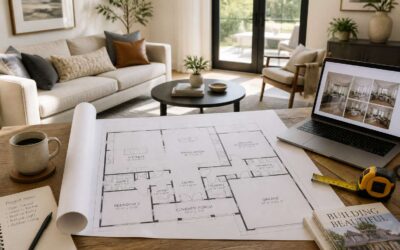
Designing your perfect tiny home floor plan is as much an act of introspection as it is a technical endeavor. With the right floor plan software, you can transcend the limitations of traditional blueprints and truly visualize the potential of your space. These digital tools unlock a realm of creative possibilities, allowing you to experiment with layout options that prioritize both functionality and aesthetic harmony.
Many advanced platforms offer a variety of resources—templates, 3D visualizations, and real-time editing—that make tailoring tiny homes floor plans an intuitive process. You can explore:
- Flexible configurations for multi-purpose rooms
- Innovative storage solutions that maximize every inch
- Optimal placement of windows for natural light and ventilation
By utilizing these resources, you gain a deeper understanding of how spatial elements interact, ultimately shaping a tiny home that aligns with your lifestyle. It’s a journey of discovery—transforming abstract ideas into a meticulously crafted space where every detail echoes purpose and personality.
Tips for Optimizing Tiny Homes Floor Plans
Space-Saving Furniture and Storage Solutions
When space is at a premium, every square inch in tiny homes floor plans must be meticulously optimized. Clever furniture choices can turn a compact area into a multifunctional haven, blending comfort with efficiency. For instance, consider fold-away beds, built-in storage benches, and wall-mounted desks—these elements maximize usability without encroaching on precious living space.
Storage solutions play a pivotal role in maintaining harmony within tiny homes floor plans. Vertical shelving, under-stair drawers, and hidden compartments are not just practical—they elevate the aesthetic appeal. Think beyond traditional storage, embracing innovative ideas like retractable tables or pull-out cabinetry that seamlessly integrate into the design. This approach ensures a clutter-free environment where every inch serves a purpose, making tiny homes floor plans truly functional and inviting.
Creative Use of Vertical Space
In the realm of tiny homes floor plans, vertical space is an untapped treasure trove—an elevation of possibilities waiting to be harnessed. By reaching upward, you transform what seems limited into an expansive canvas of ingenuity. Wall-mounted shelves, hanging planters, and tall storage units become not just functional but poetic elements that draw the eye upward, creating a sense of openness even within a confined footprint.
Creative use of vertical space allows for seamless integration of storage and aesthetics. For example, installing hooks or rails along walls can hold everything from cookware to decorative accents, freeing up precious floor real estate. Consider stacking opportunities—stacked drawers or modular shelving units—turning vertical planes into organized sanctuaries. As you craft your tiny homes floor plans, remember that elevating storage solutions can retain the charm of minimalism while amplifying practicality.
Partitioning and Room Dividers
In the labyrinth of tiny homes floor plans, the art of partitioning becomes an intricate dance—an interplay of space and perception. When every square meter is precious, the judicious placement of room dividers transforms a single, sprawling area into a series of intimate, purposeful zones. It’s not merely about dividing space; it’s about crafting a psychological sanctuary where each nook breathes with its own identity.
For optimal flow and visual harmony, consider using versatile materials such as sliding screens, folding doors, or semi-permanent partitions that can adapt to your evolving needs. These elements introduce a sense of fluidity, allowing the interior to morph seamlessly from open to private. As you refine your tiny homes floor plans, remember that strategic partitioning isn’t just functional—it’s a catalyst for a deeper sense of personal space and comfort.
To enhance flexibility even further, incorporate modular room dividers that can be easily reconfigured. This approach invites a dynamic environment, perfect for those who value adaptability. Whether it’s a cozy cocoon for restful slumber or a focused workspace, thoughtful partitioning elevates tiny homes floor plans from mere spatial arrangements to a canvas of human experience. After all, in the realm of tiny homes, clever partitioning unlocks possibilities that are both practical and profoundly personal.
Energy Efficiency and Sustainable Design
Optimizing tiny homes floor plans for energy efficiency and sustainable design is crucial in today’s eco-conscious world. Small spaces demand smart planning to minimize energy consumption without sacrificing comfort. Incorporating passive solar design principles can significantly reduce reliance on artificial heating and cooling. Positioning windows strategically for natural light and airflow not only enhances energy efficiency but also creates an inviting atmosphere.
Using sustainable materials such as reclaimed wood, bamboo, or recycled metal can further lower your environmental footprint. Consider integrating energy-efficient appliances and LED lighting to maximize savings. Additionally, choosing compact, multi-purpose fixtures helps conserve space and reduce resource use.
A well-designed tiny homes floor plans also leverage vertical space with hanging storage and lofted sleeping areas, freeing up room for insulation and weatherproofing. This combination of thoughtful layout and eco-friendly choices results in a home that’s both sustainable and remarkably comfortable.
Examples of Inspiring Tiny Homes Floor Plans
Curb Appeal with Exterior Layouts
Few design endeavors captivate the imagination quite like tiny homes floor plans that blend aesthetics with functionality. Take, for instance, the charming exterior layouts that not only maximize curb appeal but also embody the minimalist ethos so beloved in tiny home living. A thoughtfully designed exterior can turn a modest footprint into a visual masterpiece — think clever rooflines, eye-catching siding, or even a splash of vibrant paint that beckons admiration.
Some of the most inspiring tiny homes floor plans showcase clever exterior layouts that emphasize outdoor living. Imagine a compact porch or a fold-away deck seamlessly integrated into the overall design, elevating the tiny home from mere shelter to a sanctuary. These exterior features aren’t just about beauty—they’re about creating a lifestyle that embraces both privacy and community, often with innovative use of vertical space and outdoor storage solutions.
- Efficient use of outdoor space for entertaining or relaxing
- Strategic placement of windows for natural light and ventilation
- Creative roofing designs that add character and durability
Innovative Interior Designs
In the realm of tiny homes floor plans, innovation transforms humble spaces into extraordinary sanctuaries. Imagine interiors where every inch is a canvas for creativity, blending aesthetics with practicality. One such marvel might feature a convertible living area that transforms into a guest suite at the flick of a wall. This clever use of space exemplifies how tiny homes floor plans can adapt seamlessly to changing needs, providing both comfort and efficiency.
From fold-away beds that maximize floor space to built-in storage solutions that fuse form with function, these interior designs elevate the tiny home experience. Some of the most inspiring tiny homes floor plans include multi-functional furniture and innovative partitioning—creating zones that are private yet open, cozy yet liberating. It’s this harmony of design and ingenuity that captures the true spirit of tiny home living, offering a glimpse into a lifestyle where less is undeniably more.
Tiny Home on Wheels vs. Stationary Floor Plans
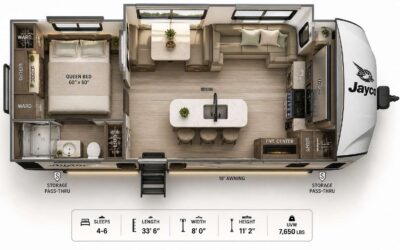
When exploring tiny homes floor plans, the distinction between tiny homes on wheels and stationary models often sparks lively debate. Tiny homes on wheels offer unparalleled mobility, allowing owners to chase the horizon or settle wherever the landscape calls. Their floor plans are ingeniously designed to maximize lightweight, durable materials, often featuring fold-away beds or retractable dining areas that fold seamlessly into the walls. Meanwhile, stationary tiny homes boast a more permanent foundation, giving architects room to craft elaborate layouts with spacious lofts and expansive windows that flood interiors with natural light.
Each type of tiny home has its unique charm, but what truly sets them apart is how their floor plans adapt to lifestyle needs. For example, tiny homes on wheels frequently incorporate multi-functional furniture and compact, built-in storage solutions that elevate the living experience, even in limited space. Conversely, stationary models excel at integrating outdoor living spaces directly into the design, creating a harmonious connection with nature. Whether on wheels or on the ground, the artful design of tiny homes floor plans continues to captivate those seeking a life less cluttered and more adventurous!
0 Comments